

Speakers
Get to know the experts who will share their insights and perspectives in panel discussions and seminars at the THBxOC 2025 Forum.
The Forum will bring together participants including national and EU-level decision-makers (from Ministries of Justice, Interior, Labour, and Foreign Affairs), law enforcement authorities (police, border guards, prosecutors, judges), labour inspectorates, tax authorities, as well as international and regional organisations such as Frontex, Eurojust, and EPPO.
From insightful panels to expert seminars, the Forum promises to cover critical topics integral to the ongoing discourse on strengthen cross-sector and transnational cooperation against trafficking in human beings as organised crime.
Welcoming remarks (Day 1)
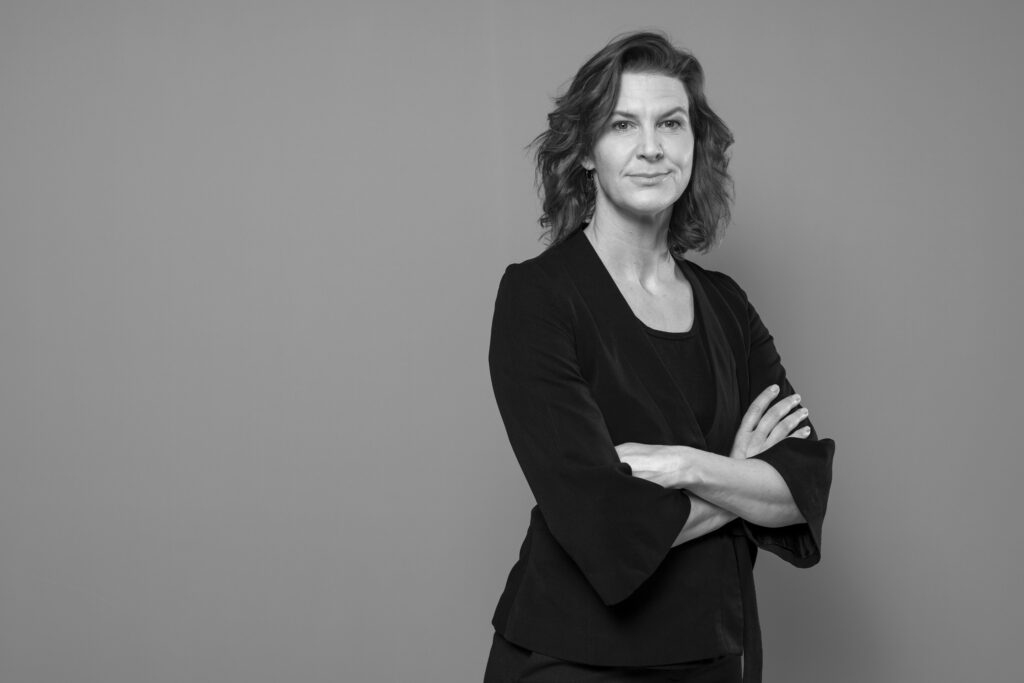
NINA LARSSON
Minister for Gender Equality, Sweden

CATHERINE DE BOLLE
Executive Director, Europol
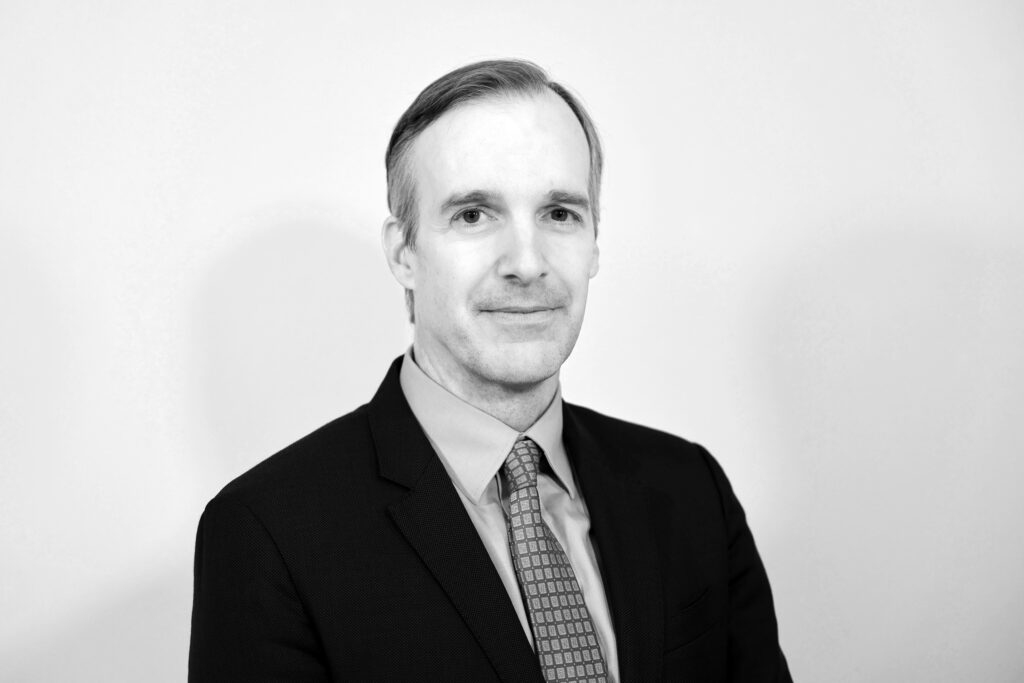
GUSTAV LINDSTRÖM
Director General, Council of the Baltic Sea States (CBSS)

KATARINA JOHANSSON WELIN
Prosecutor General of Sweden
Moderator: Edi Mujaj, Head of the Task Force against Trafficking in Human Beings Unit, Council of the Baltic Sea States (CBSS)
Welcoming remarks (Day 2)
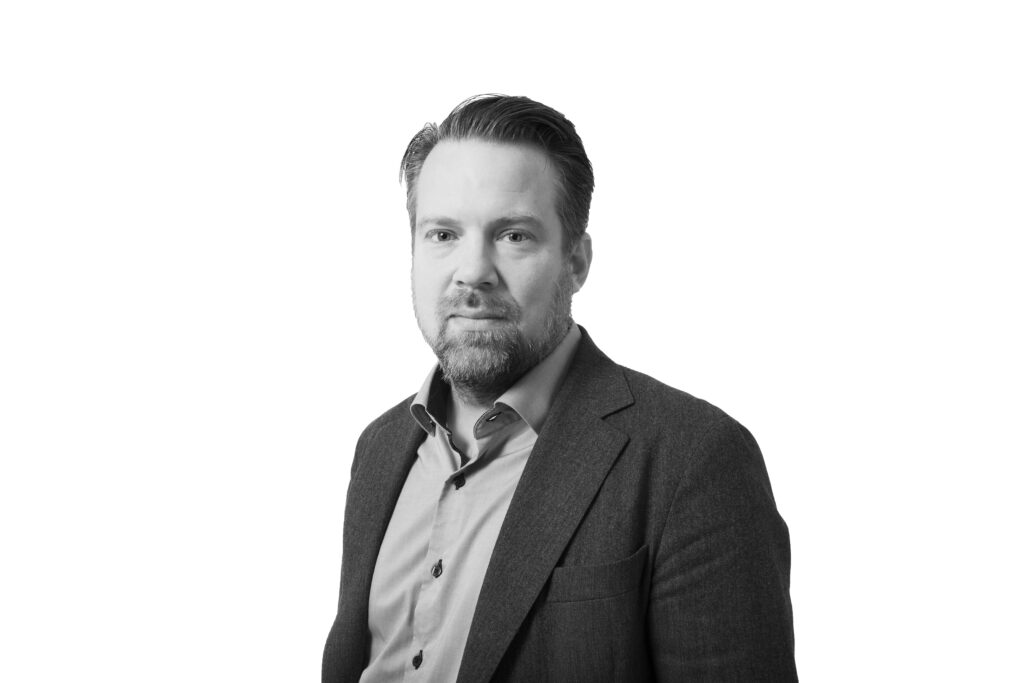
JOHAN OLSSON
Head of the National Operations Department (NOA), Swedish Police Authority
Panel #1 (Day 1)
Turning the tide: What must change in Europe’s fight against human trafficking
The panel will look at the bigger picture: where is Europe’s fight against human trafficking headed, and what must change to make real progress?
The discussion will highlight why international cooperation is not a “nice to have” but a necessity when traffickers operate across borders, constantly adapting their methods. The panel will also touch on the new frontiers of trafficking: how organised crime groups are diversifying into financial fraud, online exploitation, and other crime areas that require new approaches from law enforcement.
How can international cooperation be strengthened to meet these challenges? In what ways can intergovernmental organisations provide concrete support to law enforcement? Which resources and tools are available for national authorities to utilise in practice? And how can pooling information and coordinating operations across countries make the difference between isolated efforts and the successful disruption of organised crime groups?
Speakers:
Diane Schmitt, EU Anti-Trafficking Coordinator, EU Commission
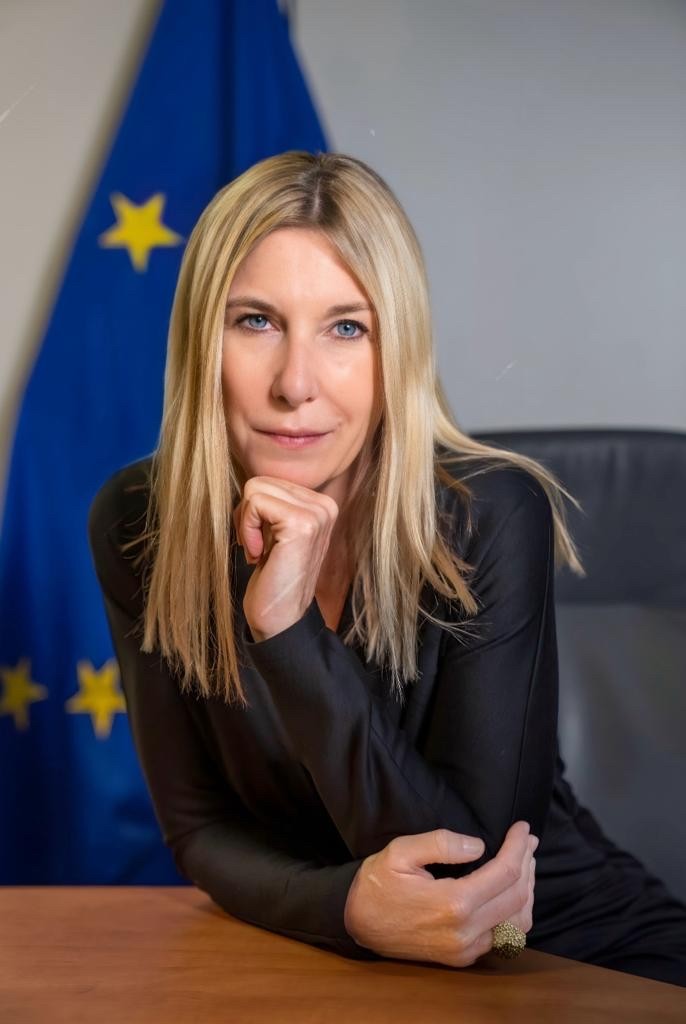
Diane Schmitt was appointed European Union Anti-Trafficking Coordinator in July 2021. She is responsible for improving coherence and coordination among different stakeholders and for contributing to the development and implementation of EU policies to prevent and combat trafficking in human beings. During her career in the European Commission, she was working in different areas, including on migration, security and justice.
Kari Johnstone, Special Representative and Co-ordinator for Combating Trafficking in Human Beings, Organization for Security and Co-operation in Europe (OSCE)
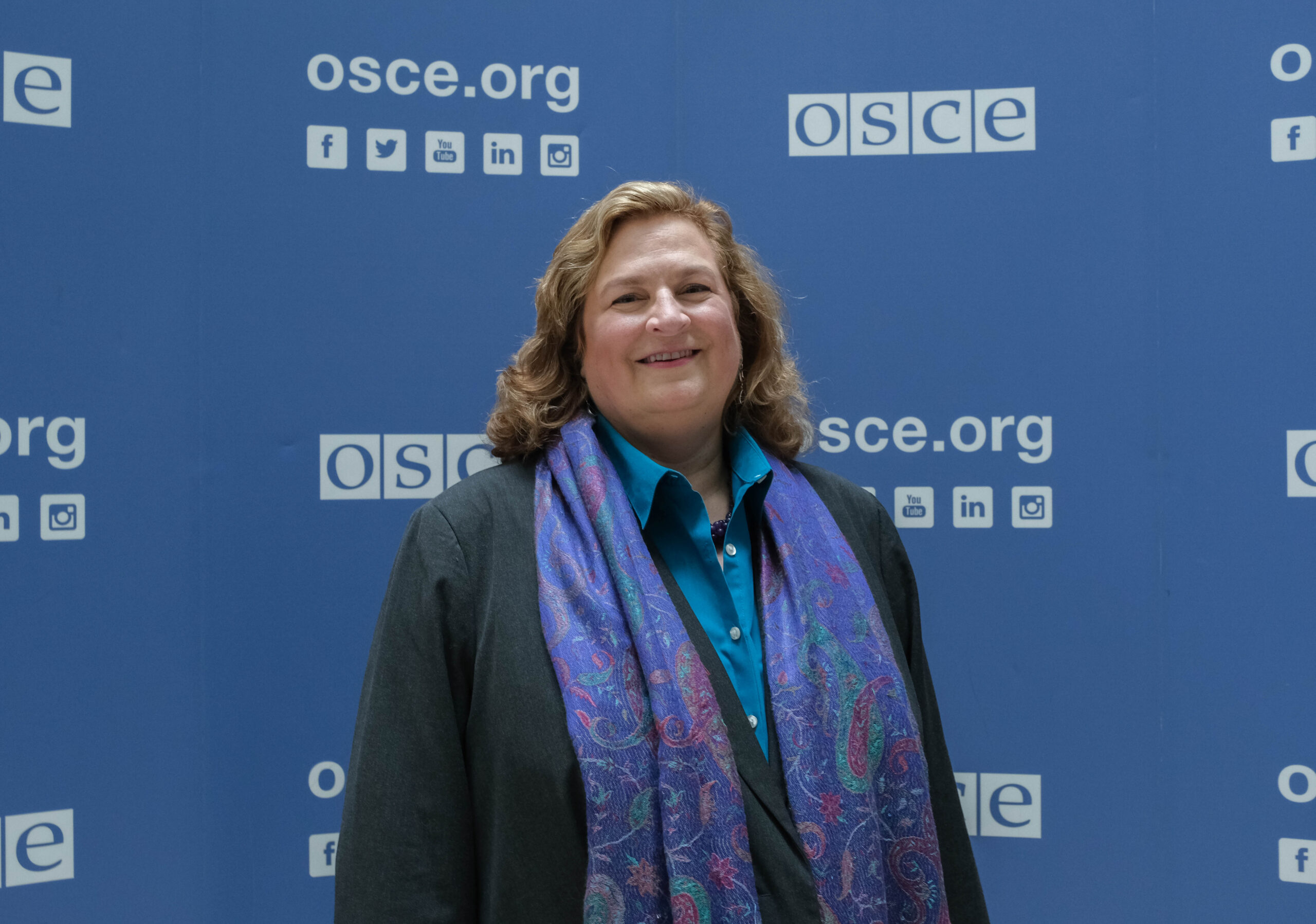
Kari Johnstone serves as OSCE Special Representative and Co-ordinator for Combating Trafficking in Human Beings (SR/CTHB) since 30 October 2023. She represents the OSCE at the political level on human trafficking issues, supportsOSCE participating States to strengthen their anti-trafficking policy and operational frameworks, and coordinates the wider OSCE’s efforts to combat human trafficking.
Dr. Johnstone served as Principal Deputy Director and Acting Director of the Office to Monitor and Combat Trafficking in Persons from 2014-2023. In these roles, she advised senior officials on policy and programming strategies to fight human trafficking around the world and oversaw the production of the State Department’s annual Trafficking in Persons Report. Previously, Dr. Johnstone served as Acting Deputy Assistant Secretary for South and Central Asia and International Religious Freedom in the Bureau of Democracy, Human Rights, and Labor (DRL) in 2013-2014 and as Director for Russia and Central Asia at the National Security Staff of the White House in 2012.
Ilias Chatzis, Acting Chief, Organized Crime and Illicit Trafficking Branch (OCB), UNODC
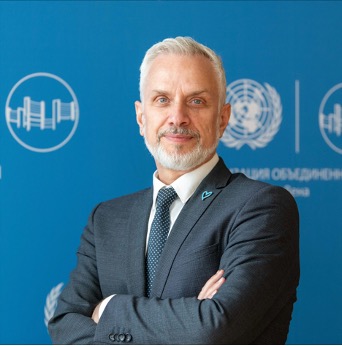
Mr. Chatzis joined the United Nations in 2006 as a senior expert on counter-terrorism and organized crime. Since 2012, he has headed UNODC’s Section against human trafficking and migrant smuggling. With more than 100 experts in Vienna and around the world, the Section is the United Nations’ main team against these crimes.
Prior to joining the UN, Mr. Chatzis served in senior positions in regional security organizations in Southeast Europe dealing with organized crime, peace implementation and war crimes. Among other positions, he headed the Regional Secretariat of the Stability Pact for Southeast Europe in Bucharest, Romania, the Department for Rule of Law and Human Rights of the OSCE Mission to Serbia and Montenegro and the Legal Section of the Office of the High Representative for Bosnia and Herzegovina implementing the Dayton Peace Accords that ended the war in this country.
A national of Greece and a qualified lawyer, Mr Chatzis holds a master’s degree in War Studies from the University of London and a law degree from the University of Athens, Greece. He is fluent in English and French.
Nenad Naca, Team Leader – AP Phoenix (THB), O2-34 Trafficking in Human Beings, Europol
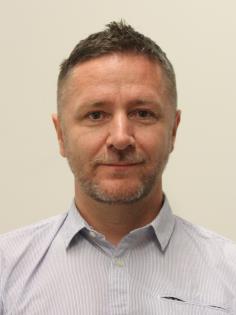
Nenad Naca is the head of Analysis Project Phoenix, Europol’s dedicated team for combating trafficking in human beings and related exploitation. He coordinates operational and analytical support to EU Member States and partners in complex cross-border investigations.
With over 25 years of investigative experience, his career spans from local to national level, covering everything from burglaries and robberies, child sexual exploitation, homicides, and sexual offences to organised crime and corruption on national level, where he served as Head of one Department within Croatia’s National Police Office for the Suppression of Corruption and Organised Crime (PNUSKOK). He has extensive international training and experience in combating organised crime and trafficking, and has received several national and international awards, including the Homeland Gratitude Medal of the Republic of Croatia for his contribution in combating organised crime.
Moderator:
Edi Mujaj, Head of the TF-THB Unit, Council of the Baltic Sea States (CBSS)
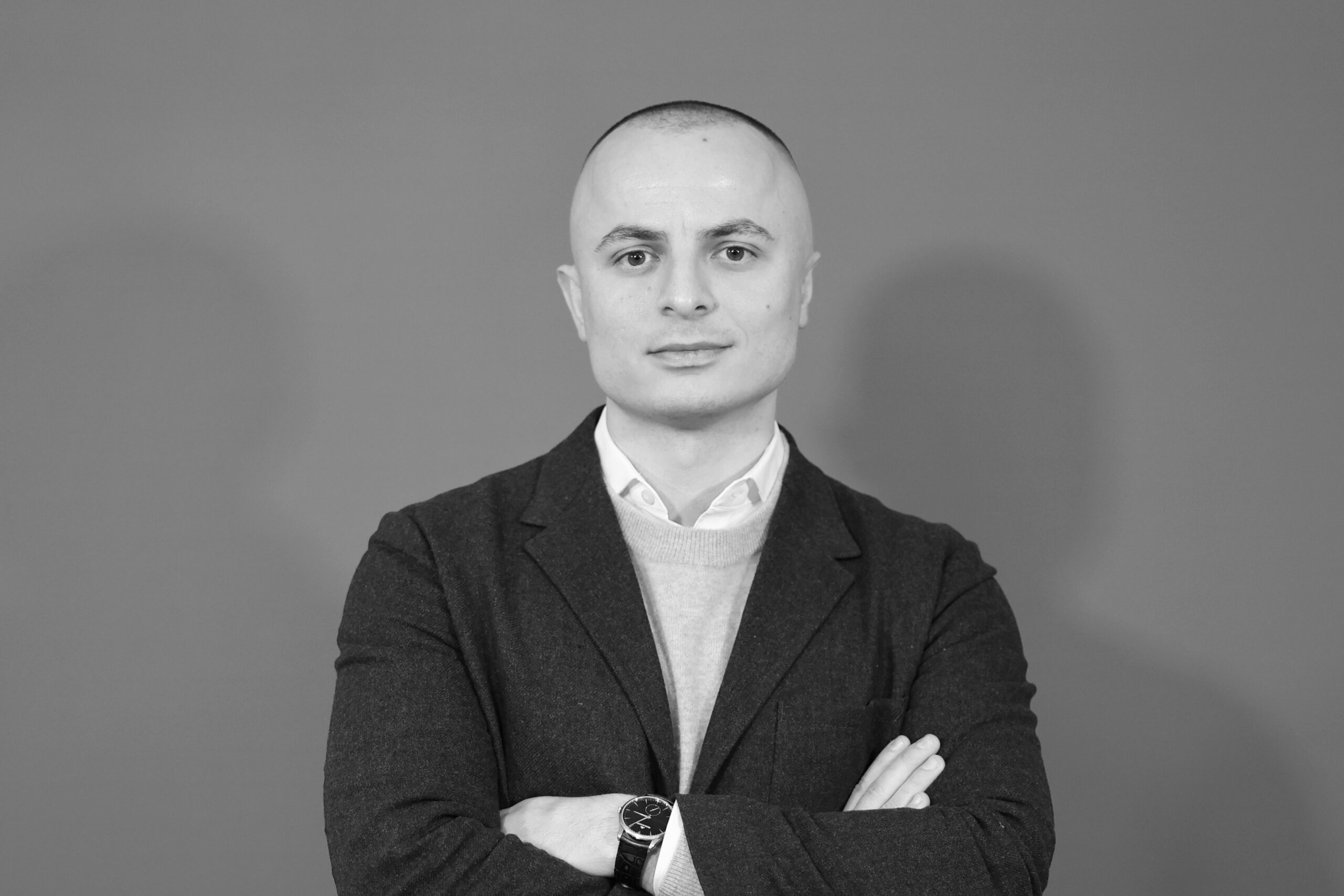
Edi Mujaj is the Head of Unit for the Task Force against Trafficking in Human Beings unit, at the Council of the Baltic Sea States. He has 13 years of experience in working against human trafficking and has coordinated national and international projects and activities with the objective of increasing the capacity and competence among state agencies, embassies and frontline workers in the Baltic Sea Region to counter human trafficking.
Panel #2 (Day 1)
Why anti-trafficking efforts matter: Lessons from the national level
After examining the wider European and international perspective in the first panel, this discussion brings the focus back to the national level. Ministries and police from across Europe will reflect on the situation on the ground: what are the main challenges in addressing trafficking, and where have real improvements been made?
The panel will look at the why behind anti-trafficking measures. From a national and practical perspective: Why are dedicated efforts needed, beyond ordinary law enforcement? Why is specialist competence within prosecution and police essential to secure convictions and protect victims? And why must trafficking remain a priority, even when other urgent threats compete for resources?
A key part of the discussion will be the victim perspective. How does integrating a victim-centred approach into investigations strengthen trust, improve evidence, and ultimately increase the likelihood of successful prosecutions? What does law enforcement gain when victims are treated not only as sources of information but as individuals whose protection is central to the fight against organised crime?
Speakers:
Dr. Venla Roth, Government Anti-Trafficking Coordinator, Ministry of Justice, Finland
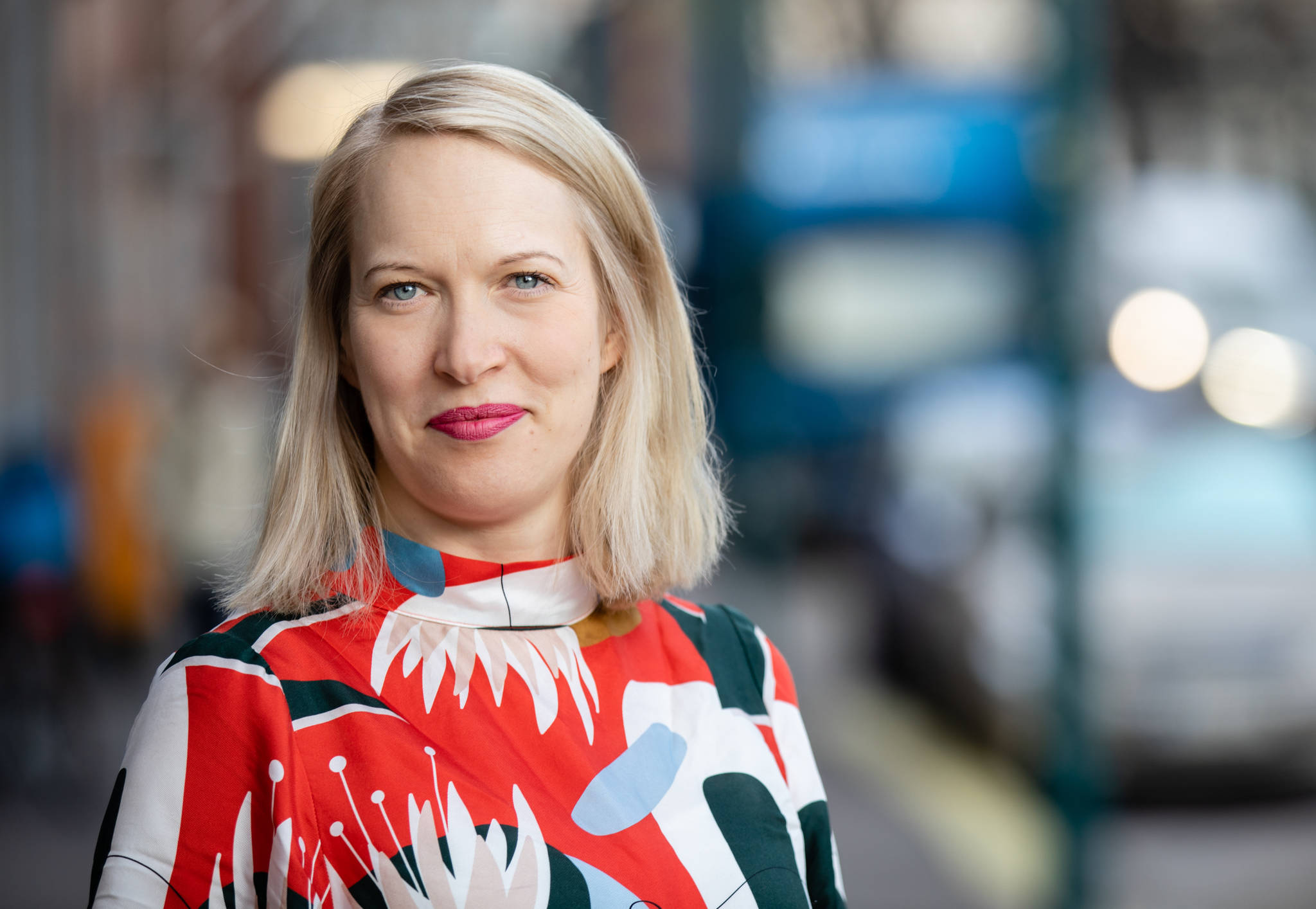
Dr Venla Roth serves as the Government Anti-Trafficking Coordinator of Finland. Her tasks include, among others, leading the drafting process of the anti-trafficking action plans and their implementation, leading anti-trafficking projects and chairing working groups, taking initiatives in the fight against human trafficking and participating in international cooperation. Dr Roth has a long experience in the field of human rights and anti-trafficking both nationally and internationally. She has previously served as a Head of Unit at the Office for the Finnish Non-Discrimination Ombudsman and as an expert in various international research and development projects for example for the European Parliament research services, European Commission and the European Institute for Gender Equality EIGE. Dr Roth has been a member of the European Commission’s Expert Group on action against human trafficking and the NRM Advisory Group established by the OSCE/ODIHR. Dr Roth holds a Master’s degree and a PhD in law. Dr Roth also serves as a Professor of Practice at the University of Turku, Faculty of Law, where she teaches law students about the law and social change.
Jan Austad, Specialist Director, Ministry of Justice and Public Security, Norway
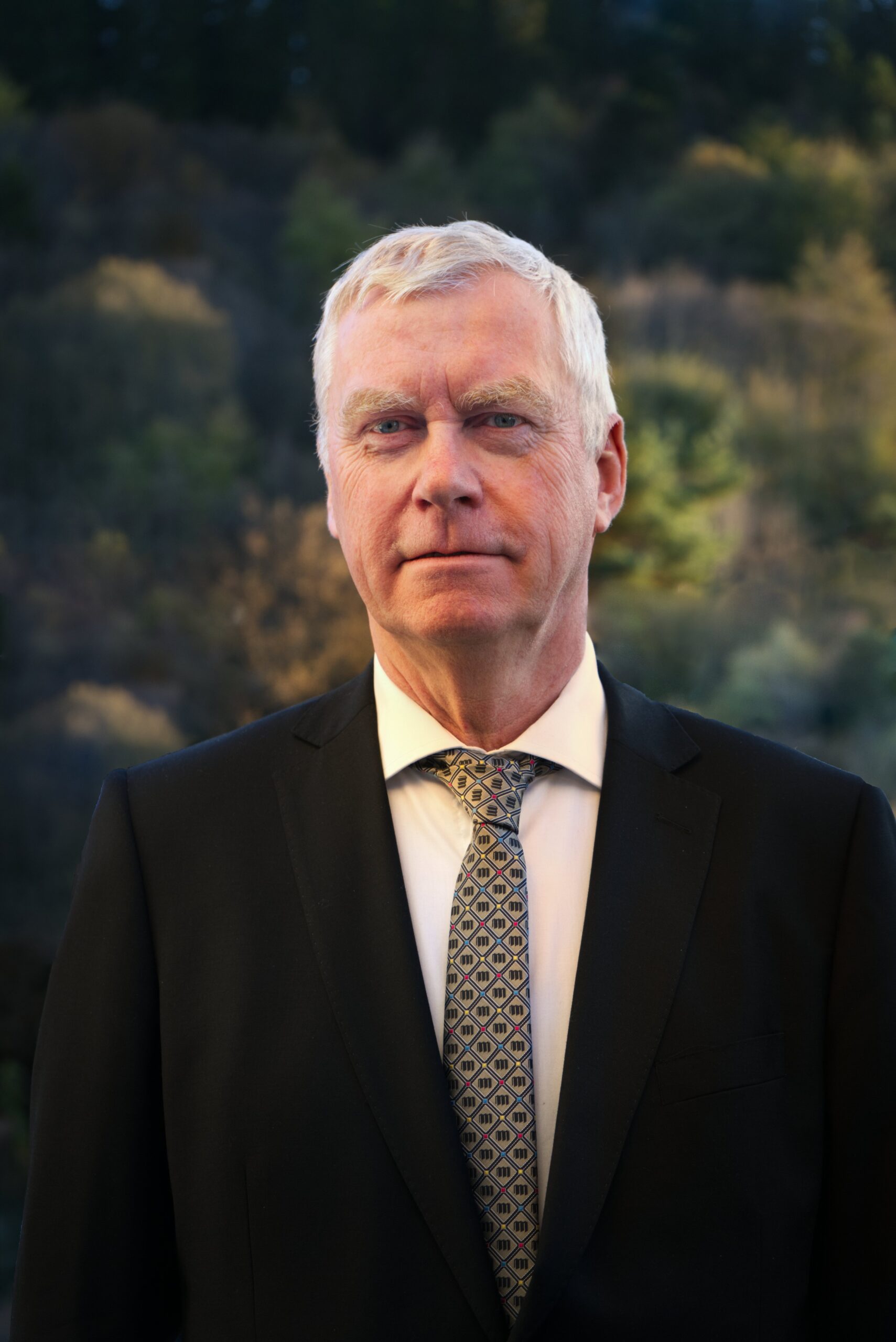
Specialist Director Jan Austad works in the Police Department of the Norwegian Ministry of Justice and Public Security. A main responsibility is coordinating measures against Trafficking in Human Beings. A previous prosecutor in the Norwegian police, he is a member of the Council of the Baltic Sea States Task Force against Trafficking in Human Beings.
Anu Leps, National Anti-Trafficking Coordinator, Adviser in the Criminal Policy Department, Ministry of Justice and Digital Affairs, Estonia
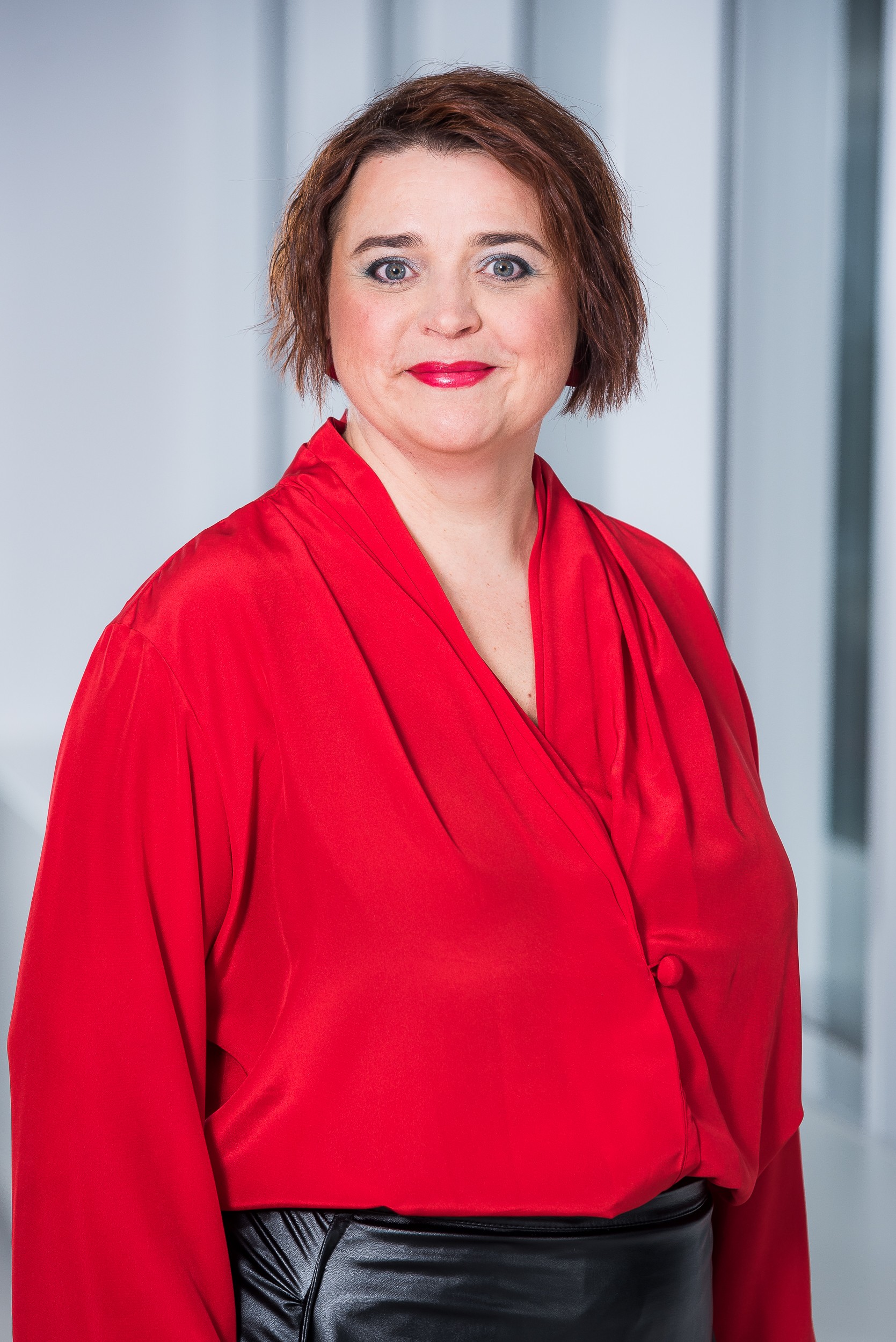
Anu Leps has been serving as Estonia’s anti-trafficking national coordinator since 2009. In this role, she holds significant responsibilities, including policy development, coordinating the national strategy and network, and representing the government in international anti-trafficking efforts. She serves as the main point of contact for national rapporteurs and similar mechanisms within the European Commission and the GRETA network for the Council of Europe. Additionally, Ms. Leps represents Estonia in the TF-THB of the Council of Baltic Sea States and contributes to crime prevention discussions within the European Crime Prevention Network. Moreover, Ms. Leps focuses on multidisciplinary coordination for the prevention of trafficking and prevention more general, coordinating the work of the national anti-trafficking roundtable and National Crime Prevention Council emphasizing its importance as a key aspect of her work.
Oliver Janser, Head of Programme, Countering Serious Crime in the Western Balkans, GIZ, Germany
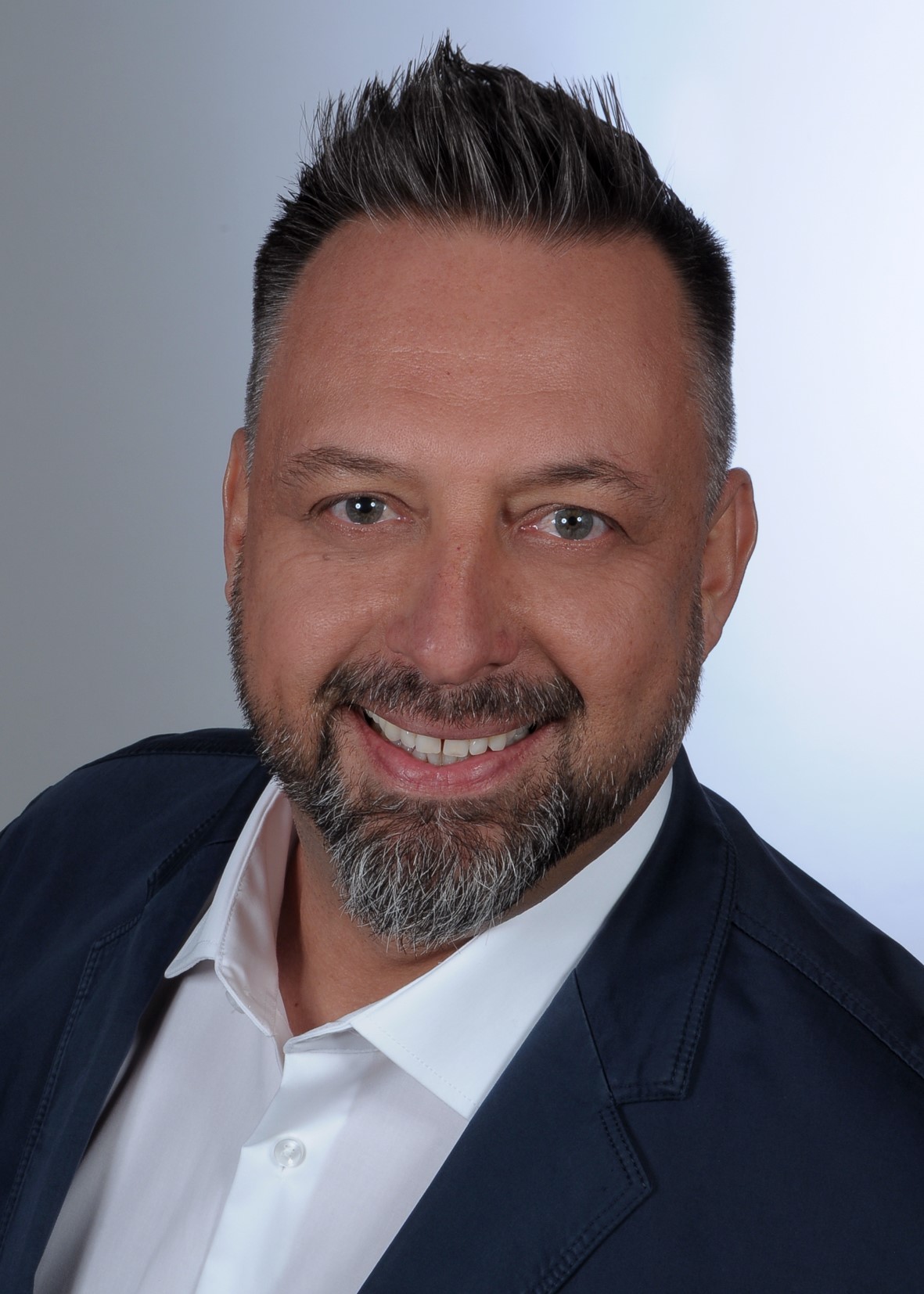
Oliver Janser has over 35 years of experience in policing and international police development, specialising in police reform, organised crime, and counter-terrorism. Mr Janser began his career with the German Federal Police in 1986 and later earned a Master of Science in Risk, Crisis and Disaster Management from the University of Leicester. His international work includes senior roles with the UN and OSCE in Kosovo and Tajikistan, where he led large-scale police reform and was awarded the Federal Cross of Merit by Tajikistan’s Ministry of Internal Affairs. As Senior Police Adviser with the German Agency for International Cooperation (GIZ), he supported police development across Africa, including the creation of AFRIPOL, and led reform efforts in Myanmar. Mr Janser currently manages the EU4FAST-WB project, strengthening the Western Balkans’ response to organised crime and trafficking in human beings.
Moderator:
Aleksandra Chołuj, Head of Unit for Combating THB, Hate Crimes and for Supporting Actions in the area of EU Internal Security Policy, Ministry of Interior and Administration, Poland
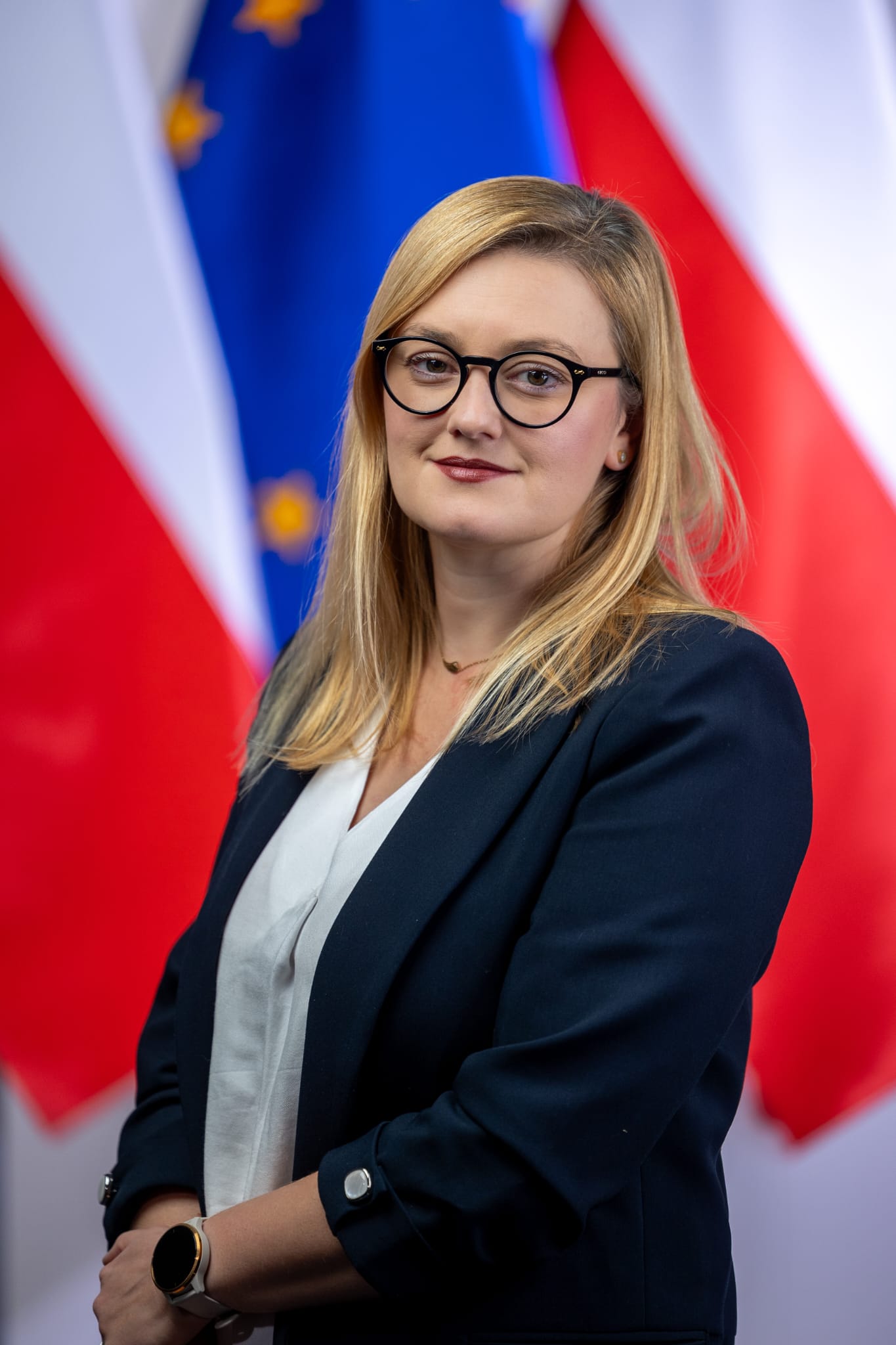
Aleksandra Chołuj currently works at the Ministry of Interior and Administration of Poland as the Head of the Unit for Combating Trafficking in Human Beings, Hate Crime and Supporting Actions in the area of EU Internal Security Policy. She acts as the deputy national rapporteur for the NACR EU at the European Commission, and she is also the contact point for GRETA at the Council of Europe.
Ms Chołuj previously worked at the National Police Headquarters, mainly dealing with large-scale European IT systems (i.e. SIS, VIS, Eurodac, ECRIS, EES, ETIAS) and the tools offered by Interpol.
Panel #3 (Day 1)
New frontiers in the fight against human trafficking: What is coming and how do we prepare?
Human trafficking and organised crime are constantly evolving, adapting to new markets and exploiting emerging vulnerabilities. This panel will explore the new frontiers of trafficking and related organised crime phenomena that Europe must prepare for. These include the rising number of Latin American victims trafficked and exploited in Europe, the connection between trafficking and organised scam compounds in Asia targeting European citizens, and the use of artificial intelligence in both facilitating exploitation and shaping new forms of labour abuse.
The discussion will consider how these seemingly different trends are connected by a common thread: organised crime groups diversifying their business models, blending trafficking with other forms of exploitation and fraud, and seeking to maximise profits wherever vulnerabilities exist. In some cases, the abuse may not meet the strict legal definition of trafficking, yet individuals are still subjected to severe exploitation or trafficking-related crimes. This raises an important question: how should states and law enforcement respond when exploitation falls outside narrow legal categories – should such cases be treated with less urgency, or addressed with the same determination to protect those affected?
Building on the previous panel’s call not to abandon a specific human trafficking perspective, this session will also ask: what other tools and measures, other than the human trafficking legislation, can be used to disrupt and disturb criminal operations? How can financial flows, business structures, and cross-border cooperation be leveraged to make Europe an undesirable environment for organised crime?
Speakers:
Daniel Daher, Commissioner of the Federal Police, Specialized Center against Migrant Smuggling and Human Trafficking of AMERIPOL, Brazil
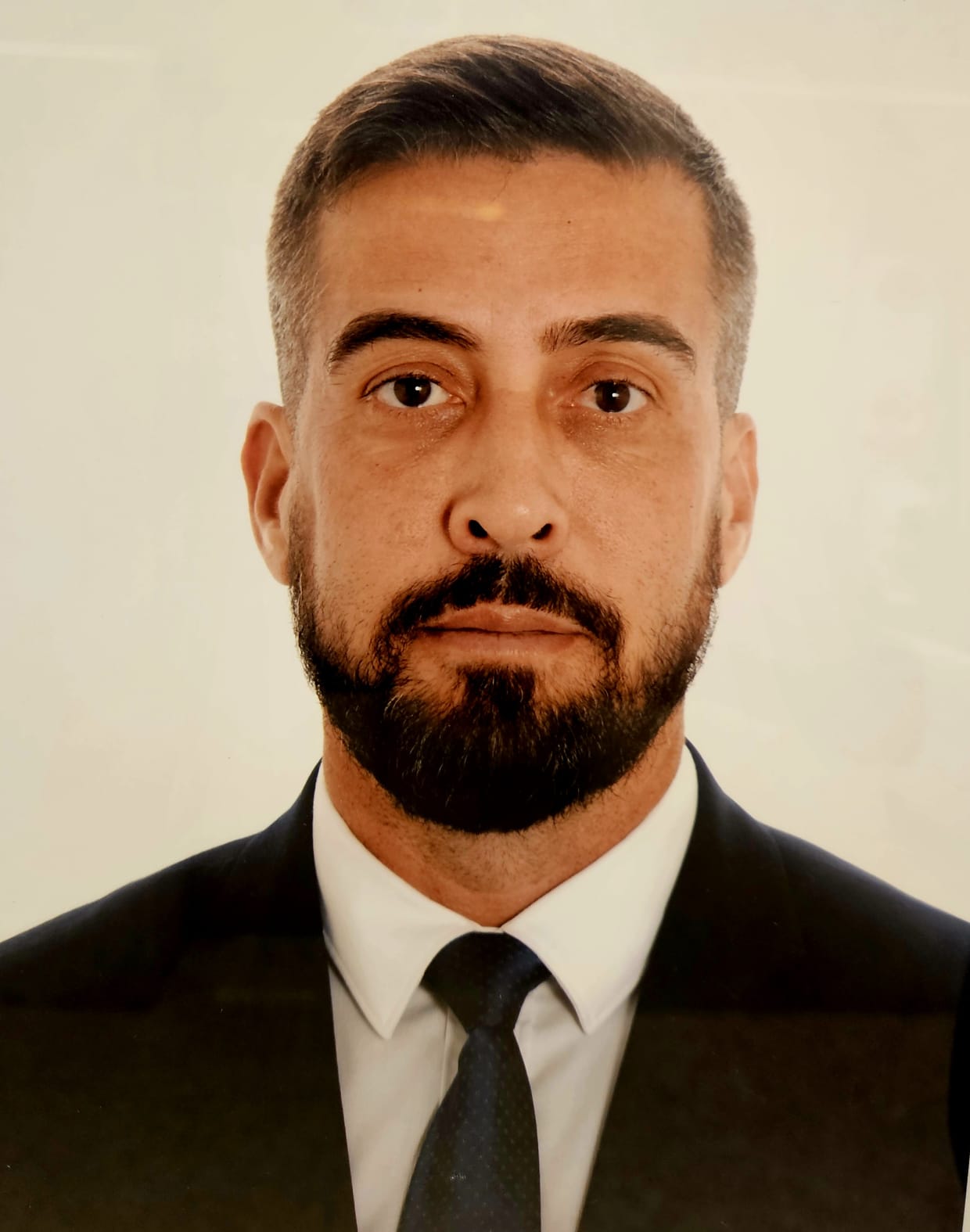
Daniel Daher is a Commissioner of the Brazilian Federal Police, holds a degree in Law with a specialization in Public Security, and a master’s degree in Information Science. He has worked in the areas of intelligence and international cooperation of the Brazilian Federal Police, and in recent years served as General Coordinator for the Repression of Crimes against Human Rights. Currently, he works at the Specialized Center against Migrant Smuggling and Human Trafficking of AMERIPOL.
Dr. Julia Muraszkiewicz, Independent Consultant, the Netherlands

Dr Julia Muraszkiewicz is an independent consultant specialising in human trafficking, human security, and the nexus of transnational crimes and technology. She has expertise on human trafficking in conflict, having developed a risk assessment for the UK Ministry of Defence and she delivers training on the subject to the British military twice a year. Julia holds a PhD in law, focused on the non-punishment principle and has extensive experience advising governments, international organisations, and NGOs. She has also worked at safe houses for survivors of human trafficking.
Thomas Andersson Whitling, Head of Office Southern Skåne Police District, Senior Advisor Work-Related Crimes, Swedish Police Authority
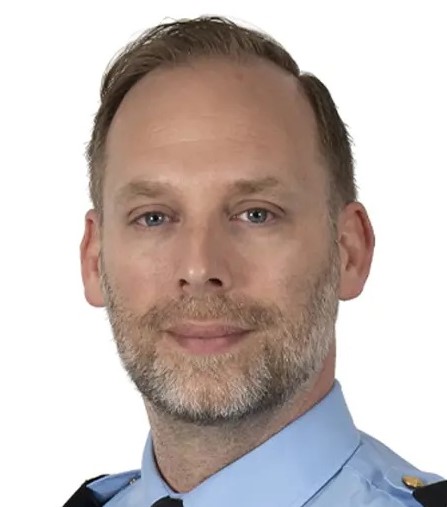
Thomas has been serving as a police officer since 2007. Over the years, he has held several key positions within the Swedish police force, including roles at the National Operations Department and the Swedish Economic Crime Authority, where he worked for a total of nine years.
He has also served as Head of the Investigation Section within the Border Police Unit in the South Region, where he was responsible for coordinating the police’s efforts against labour market crime in the region. This remains one of his key areas of responsibility today.
With extensive experience in complex investigations and inter-agency collaboration, Thomas brings deep expertise in combating organized crime within the labour market and ensuring lawful working conditions in Sweden.
Colm Noonan, Detective Chief Superintendent, An Garda Síochána, National Police Service, Ireland
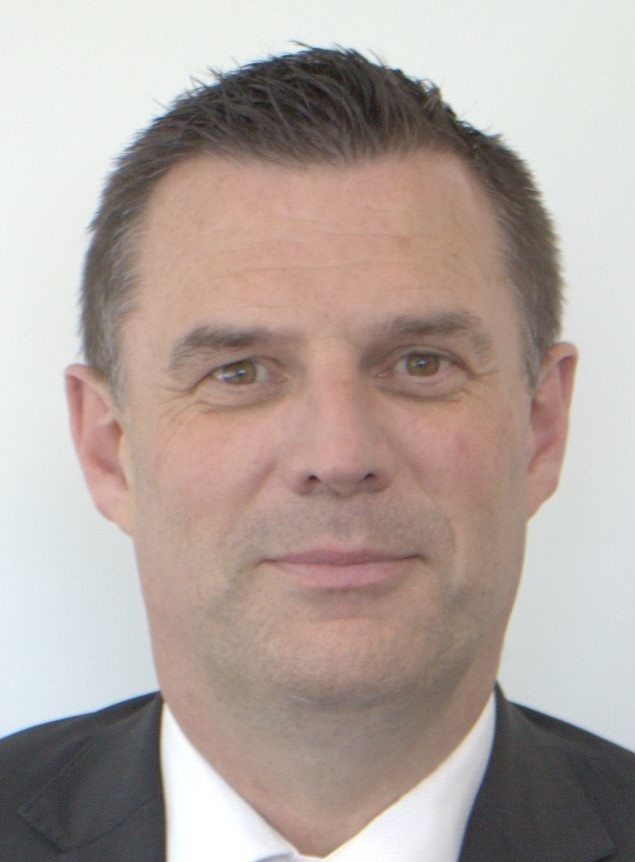
Since November 2021, Colm has been the head of the Garda National Protective Services Bureau (GNPSB) where he has strategic responsibility in An Garda Síochána, Ireland’s National Police Service, for the response to and the investigation of crimes involving Domestic, Sexual and Gender Based Violence. GNPSB conducts investigations in certain complex cases, and are also the National Bureau responsible for An Garda Síochána’s response in respect of Sexual Crime, Online Child Exploitation, Child Protection, Sex Offender Management, Human Trafficking, Missing Persons and Victims.
Vicky Tinker, Modern Slavery and Human Trafficking Operations Manager, Threat Leadership, National Crime Agency, United Kingdom
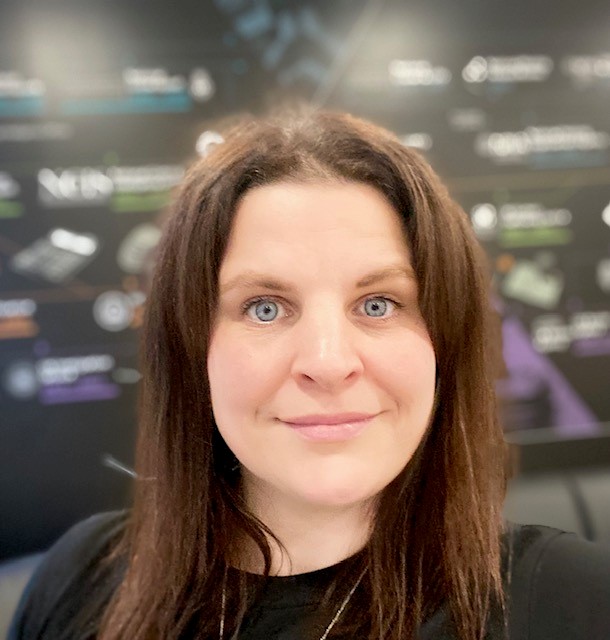
Vicky Tinker is a UK-based law enforcement professional with 14 years of experience working at police, national and international levels. Since 2017, she has worked in a Threat Leadership role in the National Crime Agency, leading the UK’s strategic response to modern slavery and human trafficking and specialising in sexual exploitation. Vicky has spearheaded cross-sector national projects that have significantly enhanced awareness and operational response of modern slavery and human trafficking in the UK and across Europe.
Moderator:
Dr. Natalia Ollus, Director, European Institute for Crime Prevention and Control, affiliated with the United Nations (HEUNI), Finland

Dr. Ollus is the Director of HEUNI, situated in Helsinki, Finland. HEUNI is a leading human trafficking expert organization in Finland and Europe. Dr Ollus first encountered the question of human trafficking in 1999, when she travelled around the Nordic and Baltic countries to assess the capacity of civil society to prevent and assist trafficked women. Since then, she has worked with issues of trafficking at the United Nations in Southern Africa, at the OSCE and at HEUNI, and has also served as an adviser on good governance at the Permanent Mission of Finland to the UN in New York. Dr Ollus leads HEUNI in the creation of concrete and policy relevant guidance based on empirical research. She provides advice to and trains policy makers, legislators and practitioners, and also collaborates closely with labour market parties, including business and public procurement actors on how to address and prevent exploitation and trafficking. She has also been involved in the development of national and regional anti-trafficking policies and programmes.
Panel #4 (Day 2)
Human trafficking in the context of Russia’s war of aggression against Ukraine: Security, exploitation, and vulnerabilities
The threat posed by Russia’s illegal, unjustified and unprovoked war of aggression against Ukraine takes shape both as an organised crime threat and as a broader security threat to Europe. The war has created unprecedented vulnerabilities that traffickers and organised crime groups are quick to exploit. Displacement, loss of livelihoods, and the breakdown of protection systems have heightened risks of human trafficking both within Ukraine and across Europe.
This panel will explore the nexus between trafficking and wider security threats, including how Russia’s aggression has taken multifaceted forms: the instrumentalisation of migration by Belarus and Russia, the displacement and unlawful transfer of Ukrainian children, and increased human trafficking risks.
The session will examine how traffickers adapt their methods in times of war, how intelligence and victim identification can be strengthened, and how cooperation with Europol and European partners may support Ukrainian authorities in addressing these challenges.
Speakers:
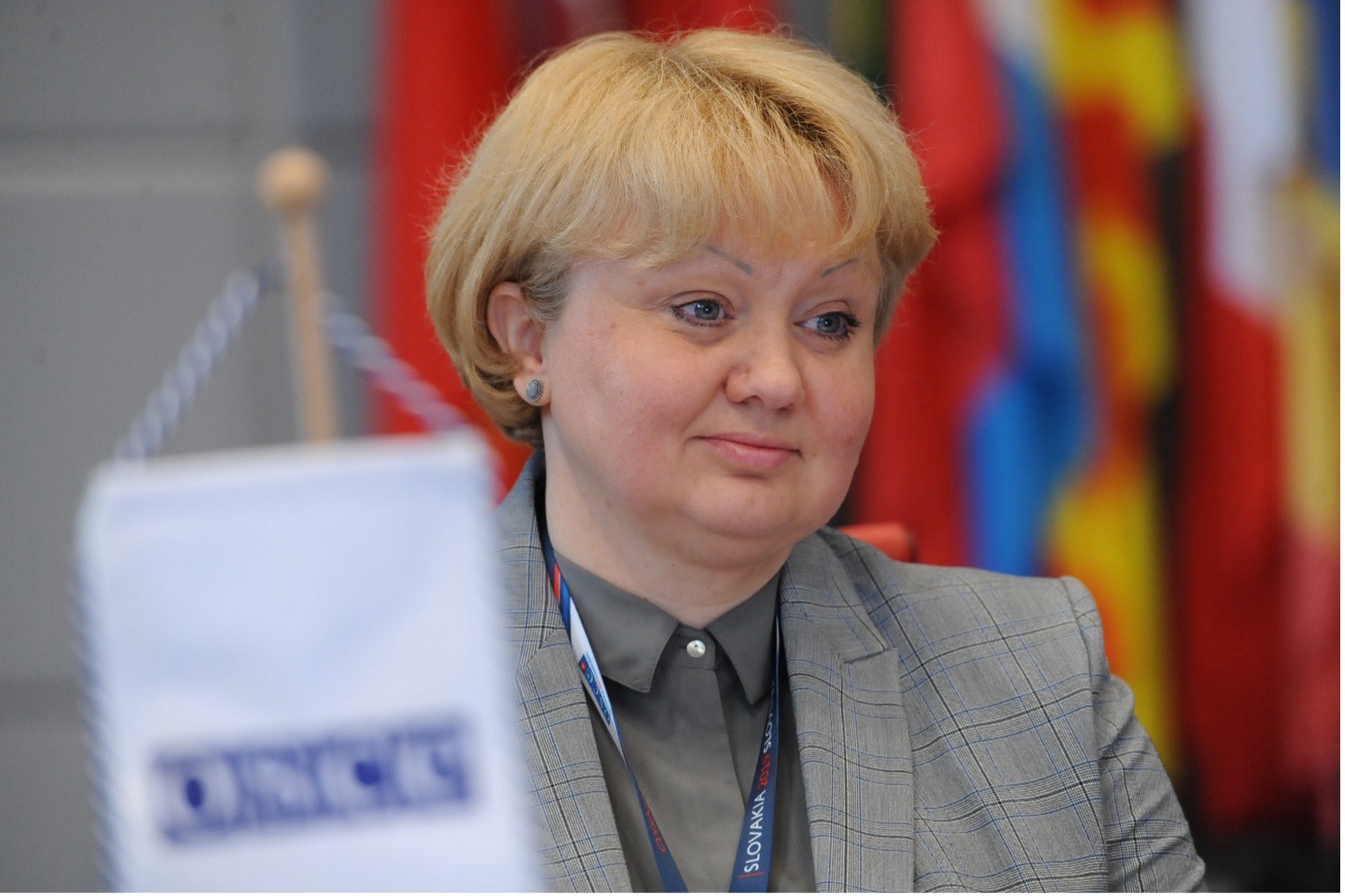
Tetiana Rudenko, Senior Project Officer, Office of the OSCE Special Representative and Co-ordinator for Combating Trafficking in Human Beings
Julia Sachenko, Anti-Trafficking and Child Protection Expert, Ukraine
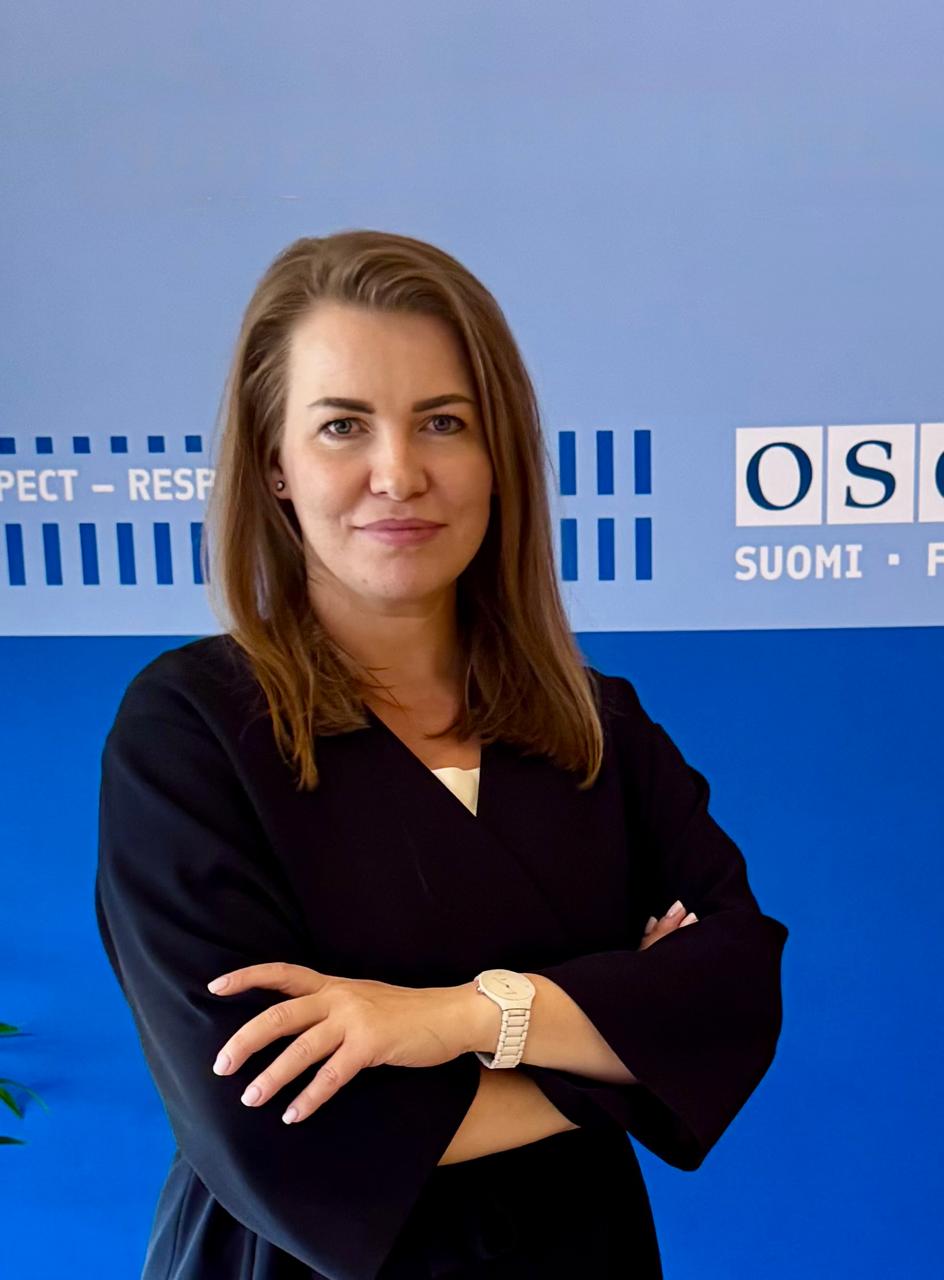
Julia Sachenko is a Ukrainian human rights and anti-trafficking expert with over 15 years of experience in combating human trafficking, supporting survivors, and advancing child protection in conflict and humanitarian settings. Serving as a National Consultant for UNODC, she was pivotal in developing evaluation frameworks for Ukraine’s State Program and mapping TIP identification procedures for war-affected victims, which bolstered the National Referral Mechanism (NRM) against cross-border trafficking. She also co-authored the “Return Every Child” research on the unlawful deportation and militarisation of Ukrainian children in occupied territories.
In 2025, Sachenko founded Libera, an NGO committed to supporting trafficking survivors. She currently serves as the Director of Anti-trafficking and Child Protection at Save Ukraine and the Executive Director of Child Rescue, leading national and international efforts to protect children from exploitation. Prior to this, she dedicated over 12 years to anti-trafficking efforts, managing strategic operations and building partnerships with key Ukrainian government agencies like the National Police.
Hannelore Valier, Head of Field Office Lviv European Union Advisory Mission (EUAM Ukraine), Ukraine
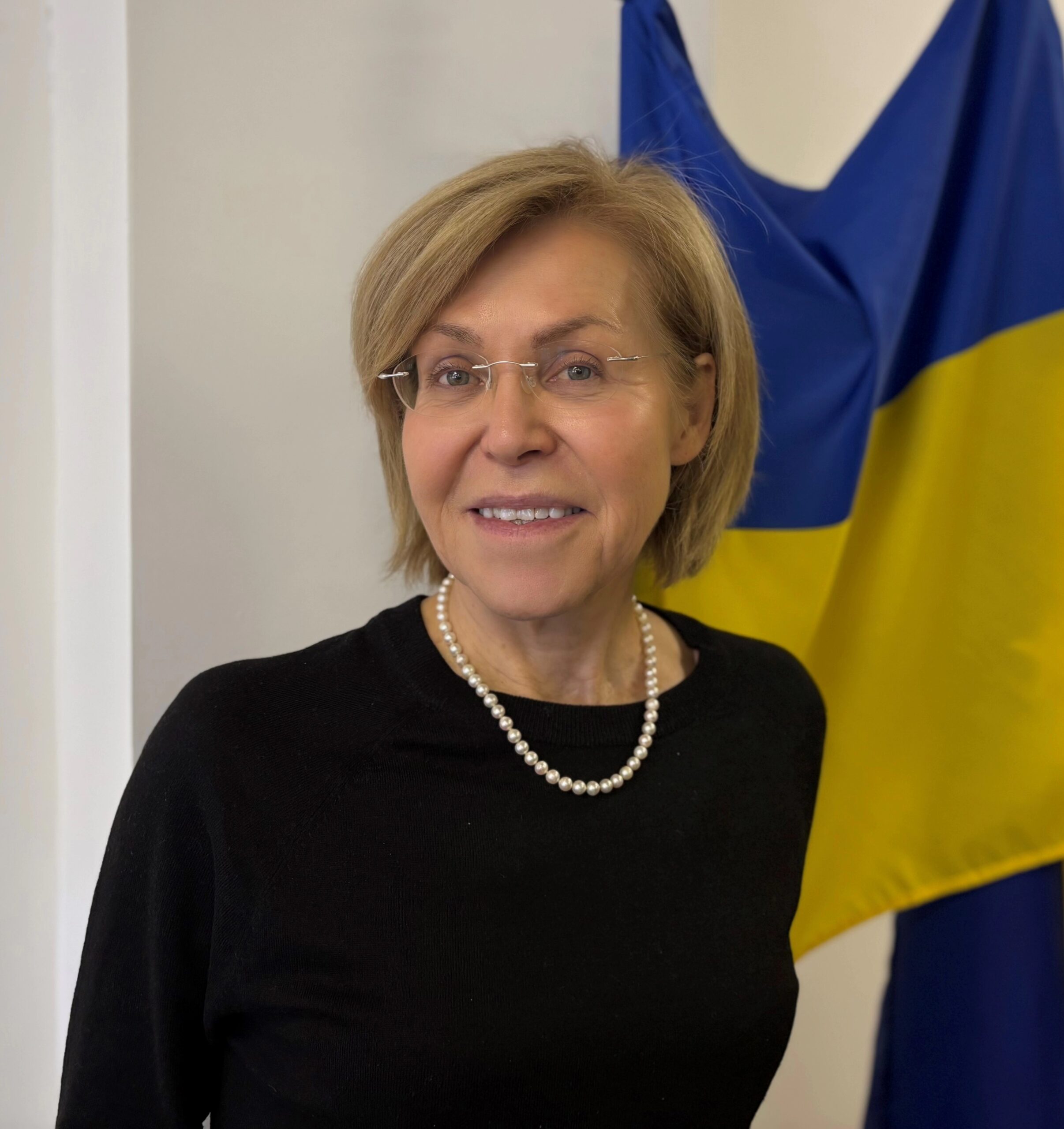
Hannelore Valier has over 20 years of experience working with international organisations across the Balkans, including Bosnia and Herzegovina, Kosovo, and Serbia. Following the war in Bosnia and Herzegovina, she worked on refugee return, veterans’ rehabilitation, and job creation programs for displaced persons. She later served with the OSCE, focusing on democratization, rule of law, and human rights, particularly in combating trafficking in human beings. Before moving to Ukraine, Ms. Valier worked with the European Union Rule of Law Mission in Kosovo (EULEX). Since 2019, she has headed the Lviv Field Office of the European Union Advisory Mission (EUAM) Ukraine, leading efforts on organised and cross-border crime and supporting Integrated Border Management along Ukraine’s EU borders.
Aleksandra Suska-Mentel, Head of International Cooperation Unit, Department for International Affairs and Migration, Ministry of the Interior and Administration, Poland
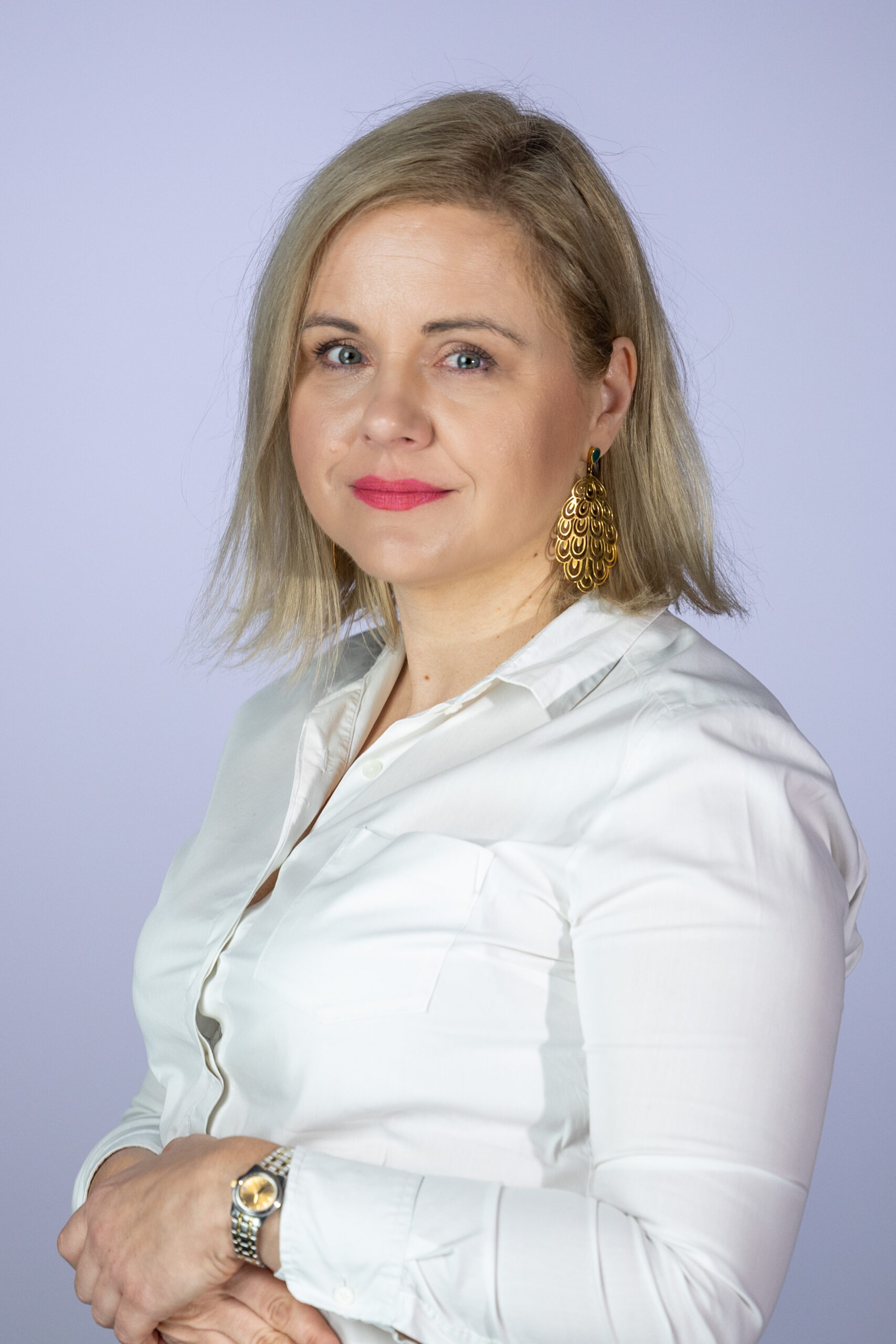
Aleksandra Suska-Mentel is a Polish civil servant who has been working in the field of international affairs at the Ministry of the Interior and Administration of the Republic of Poland since 2008. She currently serves as Head of the International Cooperation Unit in the Department of International Affairs and Migration at the Ministry of the Interior and Administration. From July 2023 to March 2024, she was also Deputy Director of this department, responsible for international affairs, EU security issues, human trafficking and the external aspect of migration.
She completed her master’s degree in international relations (specialisation: diplomacy) at the University of Wrocław and postgraduate studies in journalism and information management (public relations) at the same university. She also graduated from the National School of Public Administration in Warsaw.
Olena Koval, Counselor, Embassy of Ukraine in Sweden, Ukraine
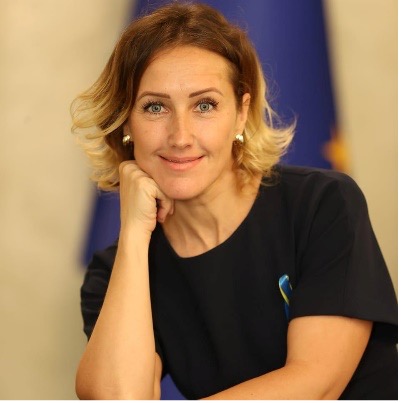
Ms. Olena Koval is a Ukrainian career diplomat with broad experience in bilateral and multilateral diplomacy, international security, political analysis, humanitarian cooperation, and diplomatic protocol.
She has served in senior positions within the Ministry of Foreign Affairs of Ukraine, at the Mission of Ukraine to NATO, and in Ukrainian embassies in Canada, Türkiye, and Cyprus. She currently serves as Counselor at the Embassy of Ukraine in the Kingdom of Sweden.
Her professional background includes extensive coordination and strategic planning work, as well as sustained engagement with European affairs and international organizations. She has completed numerous specialized diplomatic training programs in the United Kingdom, Hungary, the Netherlands, Switzerland, Estonia, Cyprus, and at NATO institutions.
Ms. Koval holds the diplomatic rank of First Class Counselor. Outside her professional duties, she is actively involved in community initiatives and enjoys long-distance running, gardening, and volunteering.
Moderator:
Dr. Anna-Carin Svensson, Ambassador for Combatting Trafficking in Persons, Ministry for Foreign Affairs, Sweden
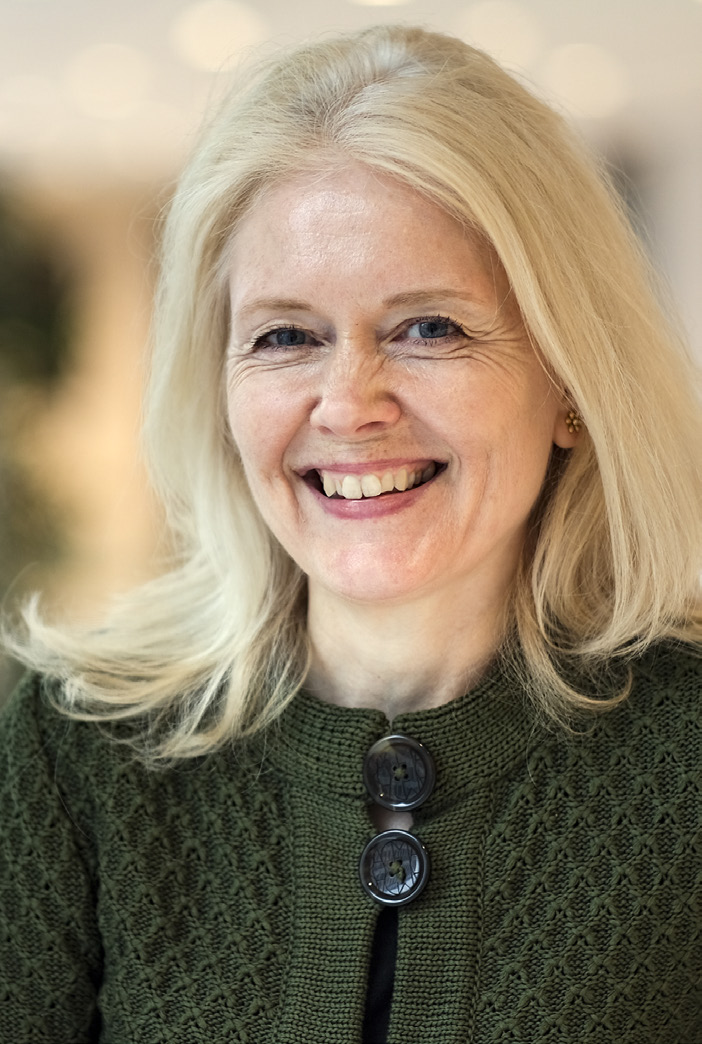
Since April 2025, Anna-Carin Svensson has served as Ambassador for Combatting Trafficking in Persons at the Swedish Ministry for Foreign Affairs.
She has a long career behind her within the Ministry of Justice, where she has served in various posts for the last 25 years, most recently as Director-General for International Affairs. Her responsibilities included international cooperation and negotiations in areas such as border control, civilian crisis management, organized crime and terrorism, but also within the areas of penal and civil law.
She has also served as Director and Deputy Director at the Division for Police Issues, including Public Order and Safety within the Ministry of Justice.
Anna-Carin Svensson holds a doctorate in Political Science from Uppsala University. Her dissertation explored the role of the Presidency in European Union negotiations.
Seminar Breakout Session #1 (Day 1)
Human trafficking and organised benefit fraud: Exploiting welfare systems and victims
Human trafficking and benefit fraud are becoming more connected across Europe. Criminals use the identities and personal data of vulnerable people to claim welfare payments or take out loans in their name. For organised groups, this has become a steady income stream, often linked to other types of financial fraud.
This seminar will present findings from the recent CBSS-led FRAUD project, which looked at how traffickers use benefit fraud both as a main activity and as extra income alongside other exploitation. Common methods include:
-
- taking over victims’ social benefits,
-
- misusing identities to secure payouts or legal status,
-
- underpaying or not paying workers with insecure status while still billing the state,
-
- or exploiting people only to steal their benefits.
A key question is: when should these cases be treated as human trafficking under international law, and when are they “just” fraud? Case studies from Europe will be used to show how different countries approach this dilemma.
Experts and practitioners will also discuss investigative challenges and give participants concrete insight into how traffickers abuse welfare systems and how stronger cooperation can both protect victims and disrupt organised networks.
Speaker:
Dr. Märta Johansson, Associate Professor, Örebro University, Sweden

Märta Johansson is Associate Professor in law at Örebro University, Sweden. Her research focuses on human trafficking and related exploitation, especially criminal proceedings and emerging forms of trafficking. She has also written several reports for Swedish government agencies and the CBSS and been an expert in two Swedish government inquiries proposing revisions to human trafficking and related crimes.
Seminar Breakout Session #2 (Day 1)
When legal online platforms enable human trafficking: A Swedish case study
In today’s digital landscape, many cases of exploitation emerge in so-called “grey zones,” where victims may appear to participate voluntarily. Platforms that are legal – such as various sugardating sites, subscription services, or mainstream social media – can in practice enable traffickers to utilise the normalisation of exploitative dynamics, recruit minors and young adults, and monetise abuse under a façade of legitimacy. Distinguishing between choice and coercion in these contexts is one of the pressing challenges for law enforcement.
This seminar will combine a broader discussion of these online vulnerabilities with an investigation from Sweden that highlights how a case of sugardating became a direct entry point into human trafficking for sexual exploitation. The case will be presented by the law enforcement agency who investigated it, showing the importance of proactive outreach fieldwork, close cooperation between police, prosecutor and social services, and long-term victim engagement – factors that contributed both to a successful conviction and to ensuring protection for the victim beyond the courtroom.
Participants will examine how vulnerabilities – social, economic, age-related, and digital – are exploited by organised crime groups, and how outreach fieldwork, early identification, and close cooperation between law enforcement and victim support can lead to successful outcomes. The seminar will also present indicators produced by Swedish Police Authority to support officers in both identifying and investigating online sexual exploitation. The seminar will also raise questions about the legal and ethical dilemmas of online exploitation and the blurred lines between voluntary participation and human trafficking, and the practical outcome of the so-called Nordic Model.
Speaker:
Janna Davidsson, Operations Developer and National Rapporteur, Swedish Police Authority
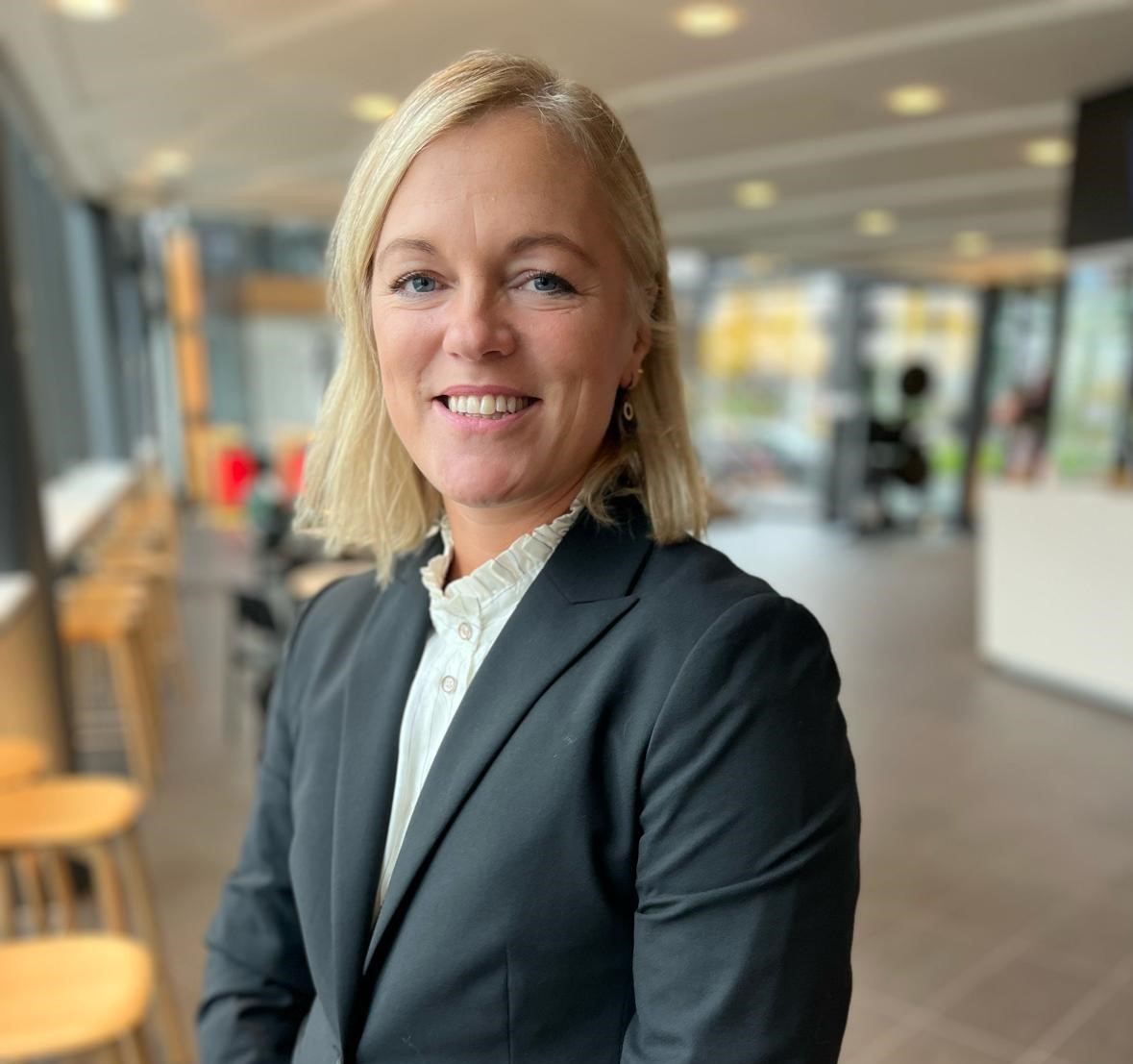
Janna Davidson is a national expert on the topic of trafficking in human beings with 20 years of policing experience. Having previously investigated cases of human trafficking and gender-based violence, she now serves as the Swedish National Rapporteur against Human Trafficking. With extensive expertise in both operational investigations and structural aspects of trafficking and related crimes, her experiences provide a comprehensive perspective on combating exploitation at national and international levels.
Seminar Breakout Session #3 (Day 1)
Victim or perpetrator: Human trafficking and forced criminality
When victims of trafficking are forced to commit crimes, investigators and prosecutors face the difficult question: are they offenders, or are they victims of exploitation? This seminar will present a groundbreaking recent conviction from Norway, where courts recognised the exploitation behind forced criminality.
Led by a Norwegian prosecutor and police officer, the session will walk participants through the case, showing how the investigation was built, how evidence of coercion was identified, and how the legal arguments were made in court. Participants will be introduced to concrete lessons learned from Norway and practical insights for handling similar cases.
Speakers:
Monica Krag Petterssen, Public Prosecutor, Oslo Regional Public Prosecutor's Office, Norway
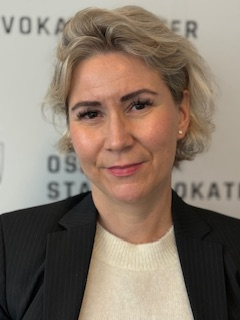
Monica is a public prosecutor specializing in trafficking in human beings (THB). She has served as a prosecutor since 2015 and has recently held the position of acting public prosecutor at the Norwegian Director of Public Prosecutions (2024–2025), with national responsibility for THB. She is a member of the national police competence group on THB and part of the Police Academy’s project on THB within initiatives against organized crime.
Monica holds a cand. jur. degree from the University of Oslo (2005) and has extensive experience in the criminal justice sector, including work as a deputy judge and criminal defense lawyer. She has litigated several criminal cases before the Supreme Court of Norway and has led multiple THB prosecutions, most recently a case concerning forced criminality before the Court of Appeal.
Henrik Kopperud Brænden, Chief Inspector, National Police Authority, Norway
Henrik is a Detective Chief Inspector at the Organized Crime Unit, Oslo Police District. Henrik began his career as a general investigator in the Oslo Police District after graduating from the Norwegian Police University College in 2010. Before joining the Organized Crime Unit in 2015, where he has focused on complex investigations into serious criminal networks i.e. drug trafficking networks, Henrik specialized in cases of domestic violence. Since 2022, he has been part of the Covert Investigations Section, responsible for managing sensitive and advanced investigative methods. Henrik most recently served as Head of Investigation in the recent case concerning forced criminality before the Norwegian Court of Appeal.
Moderator:
Julie Platou Kvammen, Assistant Chief of Police and Head of the National Police THB competence group NCIS, Norway
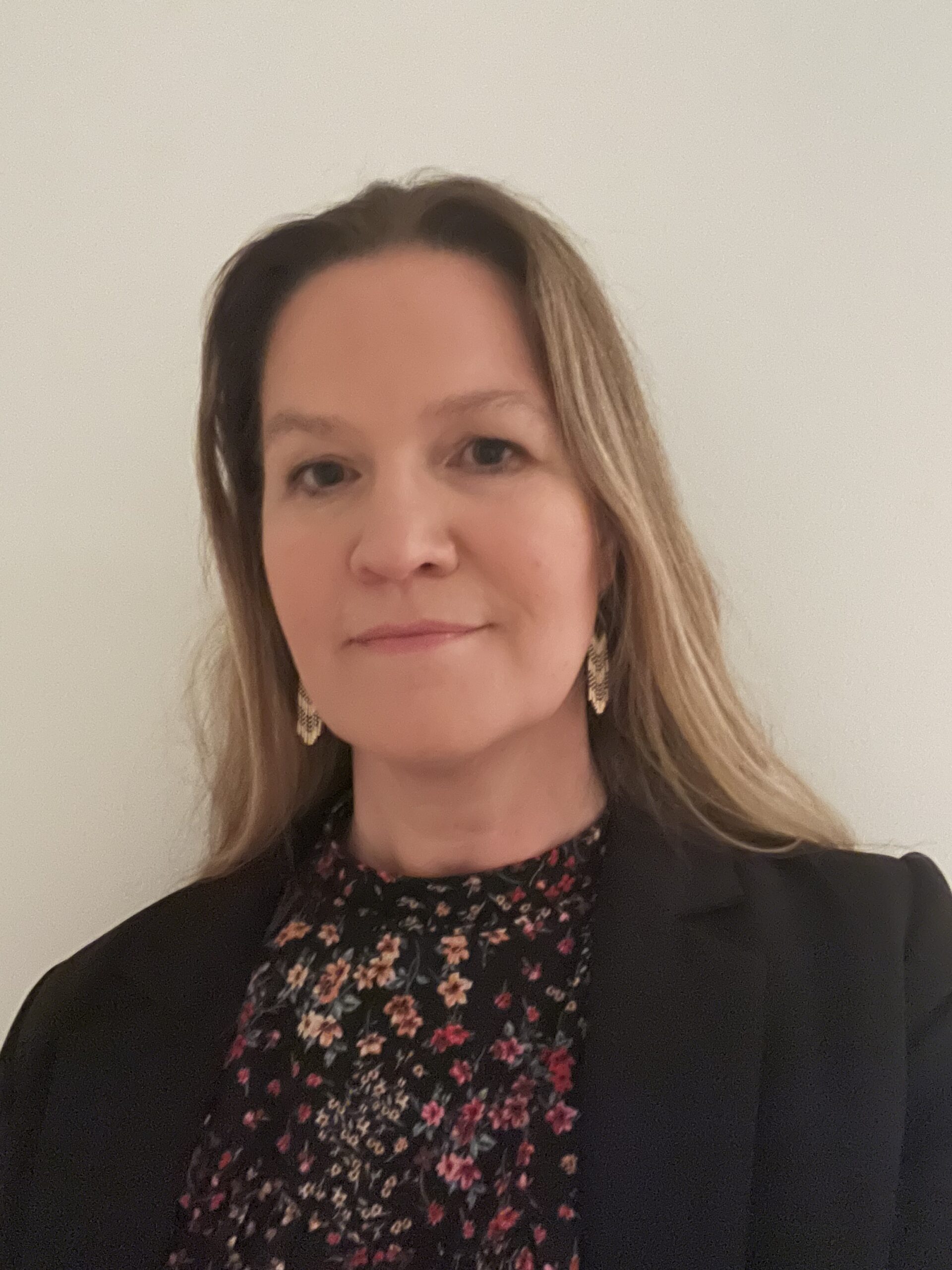
Julie is a lawyer with more than 20 years of experience from the criminal justice sector, combating human trafficking and other related crime areas. Julie worked several years internationally, mainly for UNODC at the headquarter in Vienna and MENA regional office, before returning to Norway where she was at the National Police Directorate for many years with responsibilities for KOM (Coordinating unit against THB). In 2023 Julie moved on to the National Criminal Investigation Service (NCIS) as the head of the national police competence group on THB. In 2025 Julie has also been responsible for a project on THB within the framework of initiatives against criminal networks at the Police Academy.
Seminar Breakout Session #4 (Day 1)
How to get ahead in the digital fight against human trafficking
The digital realm is no longer an emerging threat but an established and crucial crime environment. Traffickers have for years exploited its opportunities – from recruitment and advertisement to financial transactions and coordination. To keep pace, law enforcement must make full and efficient use of innovative tools and spaces to detect, investigate, and disrupt human trafficking networks operating in the digital realm.
This workshop will focus on how online information can be filtered and transformed into operational results in the fight against human trafficking. Participants will explore the use of advanced open-source intelligence (OSINT) techniques to detect signs of trafficking online and learn how to move from instinct-based observations to evidence-based indicators. While key analytical methods will be demonstrated, the emphasis will be on practical application and interactive discussion, allowing participants to exchange experiences and ideas.
The workshop will focus on the process from identifying potential victims online to translating digital insights into real investigations. A potential outcome will be the formulation of an Internet Protocol – a practical reference for investigators on what to look for, what to consider before and during online investigations, and how to exploit digital opportunities to counter the exploitation of human beings.
Speakers:
Gustav Teschner, Detective Inspector, Federal Criminal Police Office (Bundeskriminalamt), Germany
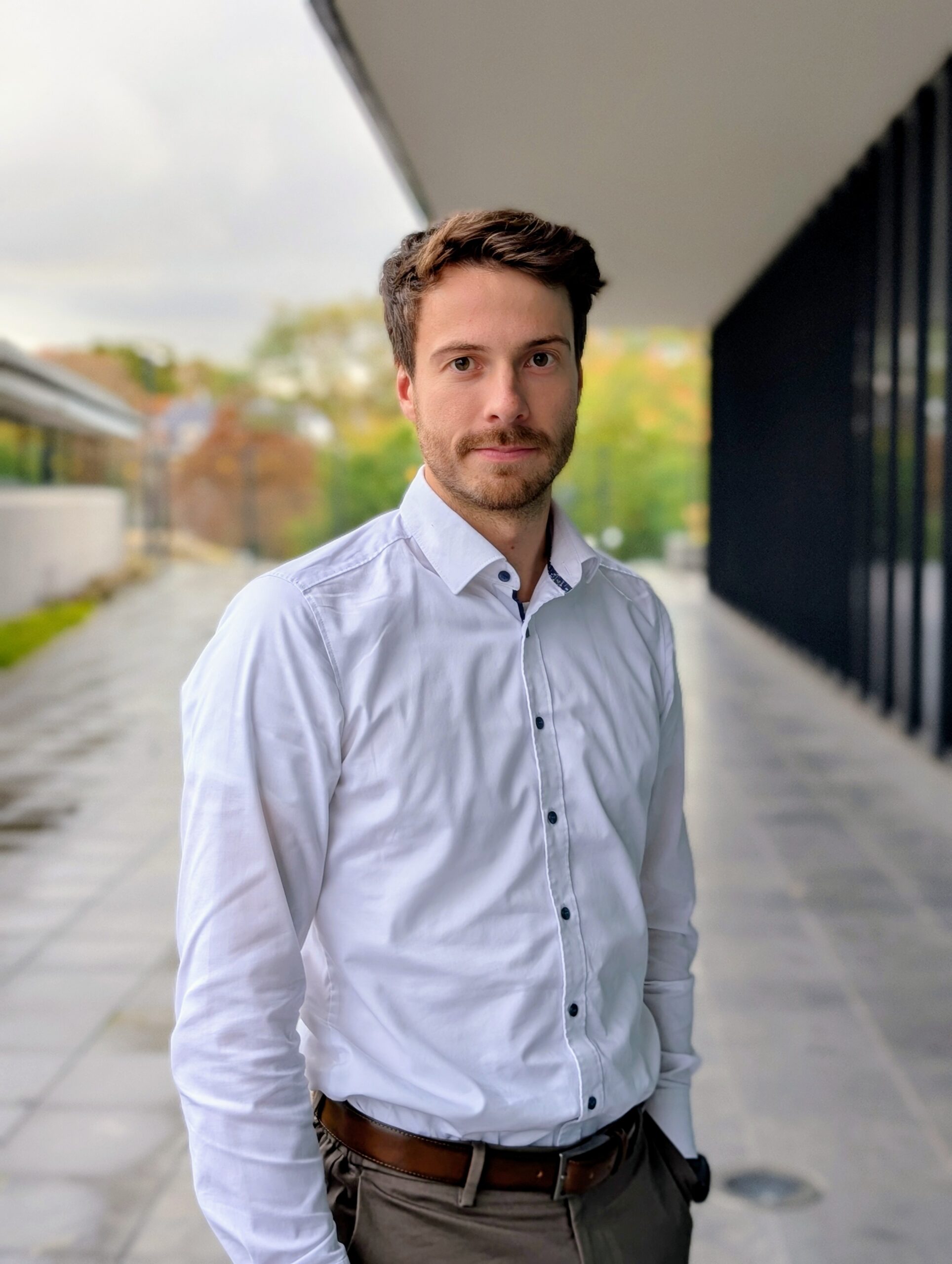
Gustav Teschner is a Detective Inspector from the German Federal Criminal Police Office (BKA), currently working as a Liaison Officer at the German Liaison Bureau at Europol in The Hague. He is specialized in combating Child Sexual Exploitation and Trafficking in Human Beings. Within these domains he supports international investigations and acts as the point of contact for the German police to Europol.
Heading towards a decade of experience in the field of THB including the co-leadership of the EU project on combating THB against minors, THB Liberi, he built up expertise on national and international level with a focus on THB online. Driven by the conviction that technology can empower Law Enforcement to keep pace with criminals he pursued the implementation of advanced OSINT tools throughout Germany to collect and gather information online. Acting as a speaker and trainer on national and international conferences he promotes joint and transnational prosecution efforts to tackle severe crimes against vulnerable persons that know no borders themselves.
Svenja Dalfuß, Detective Inspector, Germany

Svenja Dalfuß is a German Criminologist and Detective Inspector from the Police Headquarters in Frankfurt. As the Deputy Head of Unit on THB Investigations within the Organized Crime Department, she brings in more than ten years of expertise in operational investigations combating THB and forced prostitution.
She holds a Master’s Degree in Criminology with a specialization in victim- centred approaches in THB investigations, the psychological and practical impact of secondary victimization and empathy- based police work.
Bringing in her expertise as speaker and trainer with a non-profit organization, Svenja Dalfuß is actively involved in raising awareness for THB and promoting innovative approaches to victim identification and law enforcement THB investigations.
With a purpose- driven mindset and proven knowledge on current developments and practical challenges she is persuaded that the intertwining of technology and human dimension is the mandatory and powerful instrument in the fight against THB.
Seminar Breakout Session #5 (Day 2)
Working with Europol: Investigating human trafficking and operational support on the ground
This seminar, led by Europol experts, will take participants step by step through how Europol can support a human trafficking investigation from beginning to end. Using real case examples, the session will show how a case starts with an initial lead from national police, how information is cross-checked in Europol’s databases, and how intelligence analysis helps identify suspects, victims, and cross-border links.
The seminar will then move through the operational phases: setting up secure information exchange, coordinating with other Member States, tracing financial flows, and supporting evidence collection. Participants will also see how Europol assists with planning and carrying out joint actions, including arrests, victim safeguarding, and asset seizures.
Finally, the session will highlight Europol’s role after operations – feeding intelligence back into ongoing investigations and strengthening future cases. Participants will be able to engage directly with Europol experts to discuss the full range of support tools and learn how to activate them quickly in their own cases.
Speaker:
Nenad Naca, Team Leader – AP Phoenix (THB), O2-34 Trafficking in Human Beings, Europol
Nenad Naca is the head of Analysis Project Phoenix, Europol’s dedicated team for combating trafficking in human beings and related exploitation. He coordinates operational and analytical support to EU Member States and partners in complex cross-border investigations.
With over 25 years of investigative experience, his career spans from local to national level, covering everything from burglaries and robberies, child sexual exploitation, homicides, and sexual offences to organised crime and corruption on national level, where he served as Head of one Department within Croatia’s National Police Office for the Suppression of Corruption and Organised Crime (PNUSKOK). He has extensive international training and experience in combating organised crime and trafficking, and has received several national and international awards, including the Homeland Gratitude Medal of the Republic of Croatia for his contribution in combating organised crime.
Seminar Breakout Session #6 (Day 2)
Prosecuting labour exploitation successfully: The Belgian model in practice
Labour exploitation is on the rise across Europe and remains one of the most difficult forms of trafficking to investigate. The chances of convicting perpetrators often depend on the legislation in place, which varies widely between countries.
This seminar, led by Belgian law enforcement and prosecutors, will showcase how Belgium’s unique legal framework enables them to prosecute labour exploitation cases more effectively than in many other jurisdictions. Participants will gain practical insights into how the law is applied in real investigations – from detecting exploitation at worksites and collecting evidence to building strong cases in court.
The session will also highlight how prosecutors and inspectors cooperate in Belgium, why the legal framework is key to securing convictions, and what lessons other countries might draw from the Belgian approach. Case examples will illustrate how victims are identified and protected, while exploiters are successfully held accountable.
Speakers:
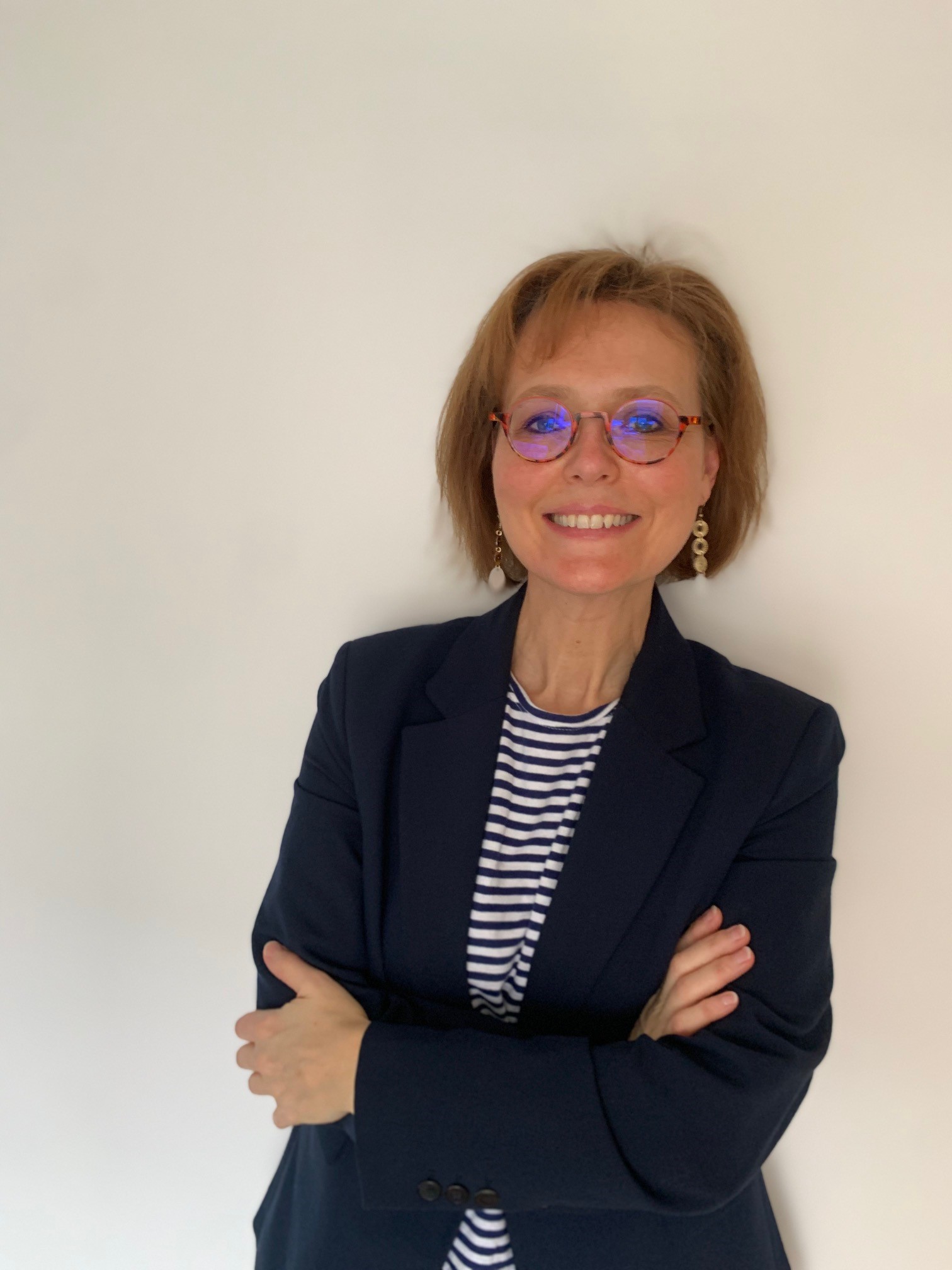
Matthieu Simon, Deputy Attorney General – Prosecutor, National coordinator for human trafficking, Belgium

Matthieu Simon was a lawyer in a firm specializing in labor law. He has been a prosecutor since 2015, specializing in labor law and criminal law (particularly human trafficking). He is Belgium’s national coordinator for human trafficking. He teaches labor law at the University of Liège. He regularly publishes scholarly articles.
Seminar Breakout Session #7 (Day 2)
The non-punishment principle in human trafficking cases: Practice and limitations
Victims of human trafficking are often forced to commit crimes as part of their exploitation. The non-punishment principle is meant to ensure that such victims are not prosecuted for offences they were compelled to commit. But how is this principle applied in practice, and where do its limitations lie?
This seminar will examine the operational use of the non-punishment principle across Europe. Participants will explore key questions: When can it be applied, and who makes that assessment? How can investigators and prosecutors distinguish between voluntary criminality and coercion? What risks exist if the principle is misapplied, and how can authorities balance victim protection with legal certainty?
The session will also bring the discussion down to the operational level, focusing on how law enforcement applies the principle in practice. Can it be relevant even in cases involving more serious crimes, such as gang-related violence or assassinations, where victims have been coerced into participation?
Through case examples and discussion, the seminar will highlight both the potential and the challenges of the principle. Participants will gain practical insights into how it can be used effectively to protect victims, while ensuring traffickers – not the exploited – are the ones held accountable.
Speaker:
Jani Hannonen, Doctoral Researcher, University of Turku, Finland
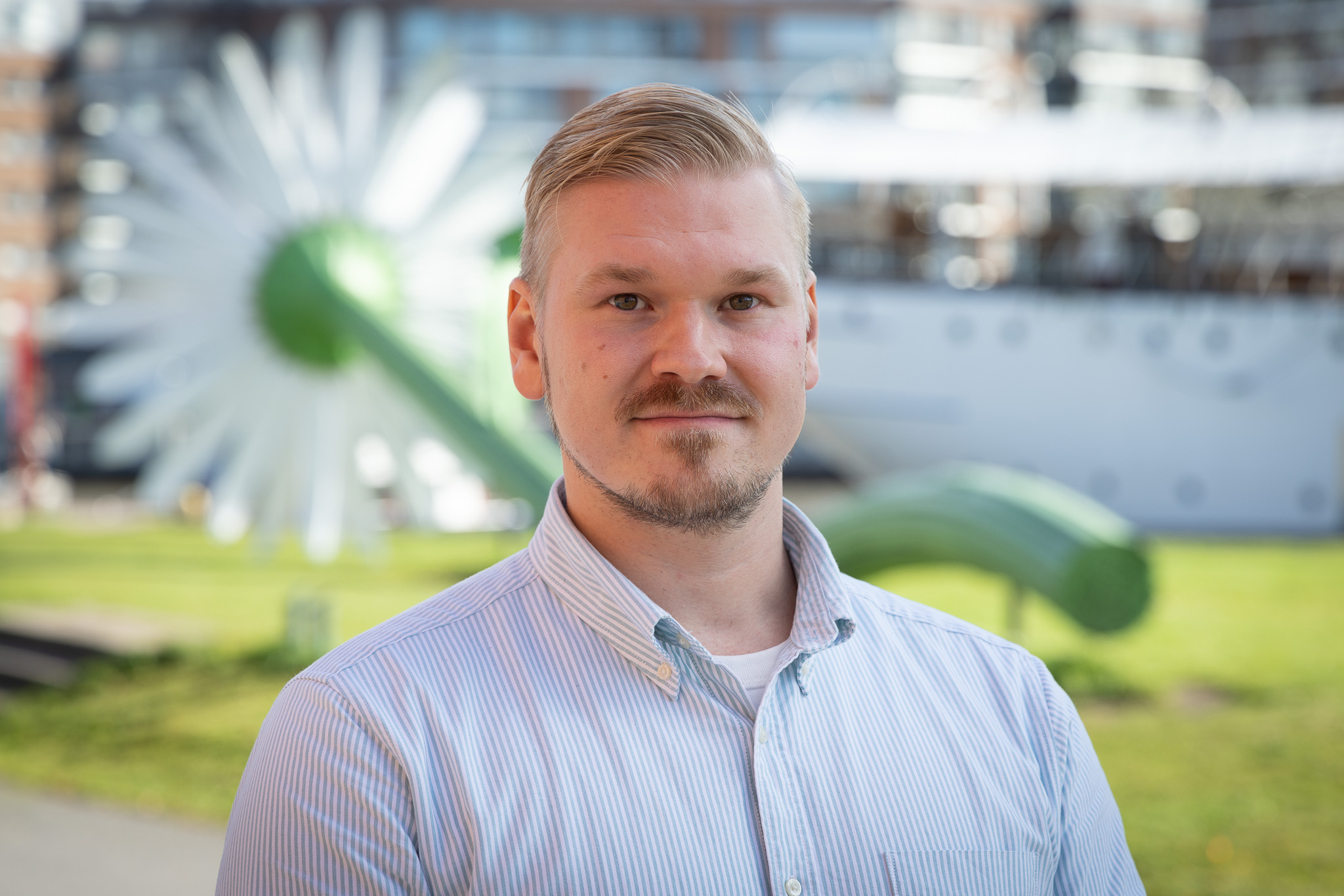
Doctoral researcher, LL.M. Jani Hannonen specialises in criminal law and human trafficking. He has researched the Non-Punishment Principle and the Barnahus model, which promotes child-friendly criminal justice. He is currently working on his article-based dissertation at the University of Turku (Finland), Faculty of Law.
Seminar Breakout Session #8 (Day 2)
Cryptocurrencies and human trafficking: Following the digital money trail
More and more trafficking networks use cryptocurrencies to move and hide their profits. What started in cybercrime has now spread to “traditional” organised crime, including human trafficking. Criminals take advantage of decentralised systems, unregulated exchanges, and new tricks such as cryptojacking and NFT scams to move money quickly and stay under the radar.
This seminar, led by Europol, will show how cryptocurrencies fit into the wider criminal money system – alongside shell companies, cash businesses, and informal transfer networks. Participants will learn about the latest criminal methods, how traffickers use them in practice, and what red flags investigators can look for. The session will also give concrete examples of how Europol can support national authorities in tracing crypto payments, freezing assets, and hitting traffickers where it hurts most – their profits.
Speaker:
Goran Vidiček, Senior Operational Analyst – AP Phoenix (THB) Europol
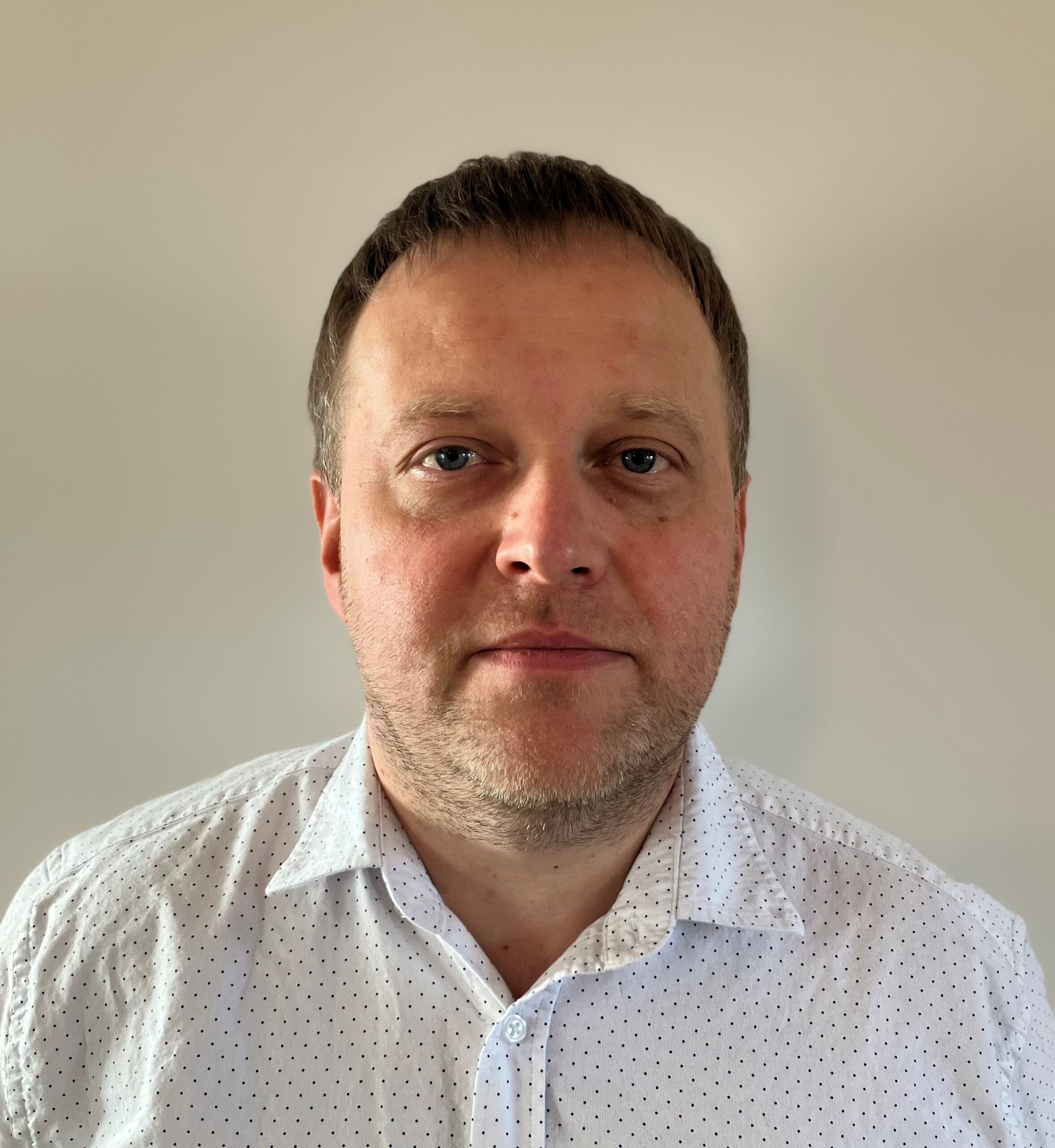
Goran Vidicek is the Senior Analyst in Europol’s Analysis Project Phoenix, which is dedicated to combating trafficking in human beings. He plans and oversees analytical support provided to European Member states and other partners, with one of his specializations being cryptocurrency investigations.
Goran has 20+ years in Law Enforcement. He started as a police officer and detective at the local level in Croatia and moved on to the National office for suppression of corruption and organised crime, where he was mostly dealing with Digital forensics and Analysis. At Europol since 2017 where, prior to his current role, he worked for several years as an Analyst in EC3’s Cyber-Intelligence Team dealing with cryptocurrency investigations, OSINT and private parties’ cooperation.