
Why restoring mires is harder than it sounds – LIFE Mires Estonia
Steps for Nature podcast · Episode 6
Prefer listening on the go? This episode is also available on Spotify.
Welcome back to the sixth episode of Steps for Nature! In this episode, we speak with Jüri-Ott from the Estonian Fund for Nature about LIFE Mires Estonia and what it takes to restore ecosystems that have been heavily altered over time. The discussion touches on how our understanding of peatlands is changing, and why stronger guidance and shared frameworks are needed to support effective restoration.
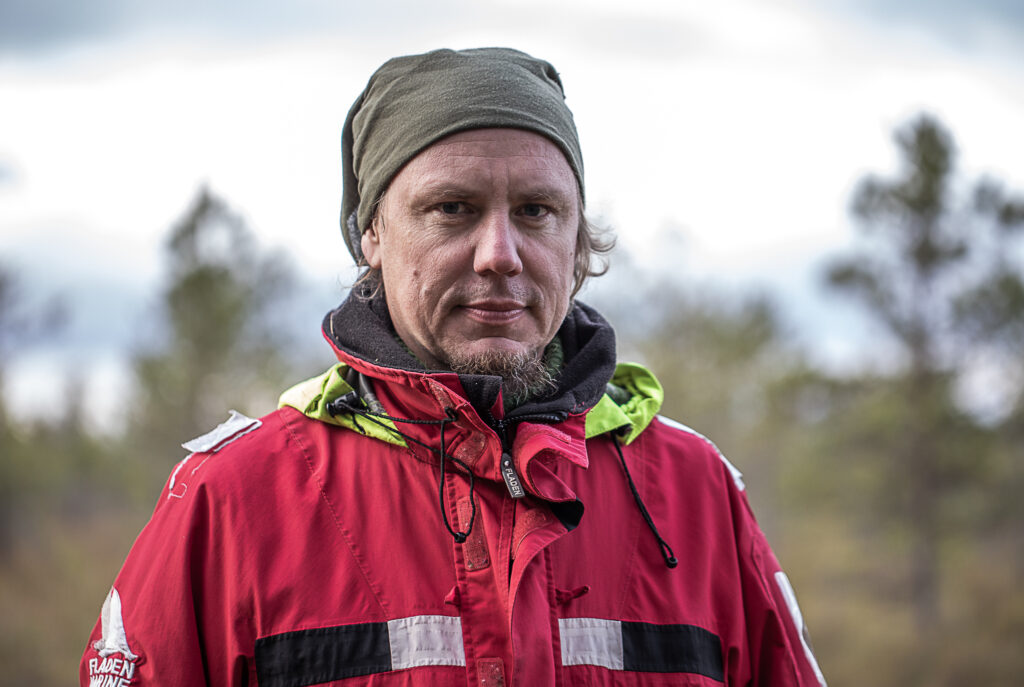
The Estonian Fund for Nature (ELF) is a non-governmental organisation dedicated to nature conservation in Estonia. Founded in 1991 by a group of naturalists and experts, it works independently to support nature protection through expertise and innovative solutions. ELF focuses on protecting endangered species and habitats, as well as Estonia’s characteristic landscapes such as the sea, wetlands, and forests.
“Fifteen years ago, in 2010, much of the practice in relation to restoration of peatlands was based on building dams of wood or other materials which you had to bring into the area. And we learned within a few years that actually this is not working, and everybody was learning at that time.” – Jüri-Ott Salm
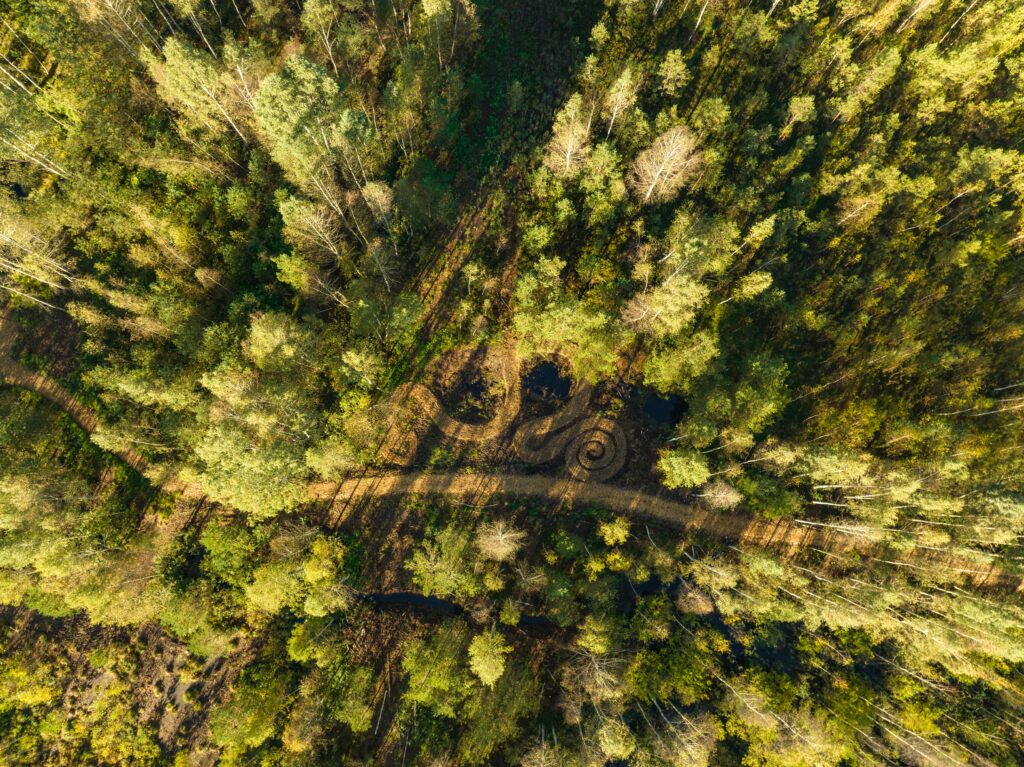
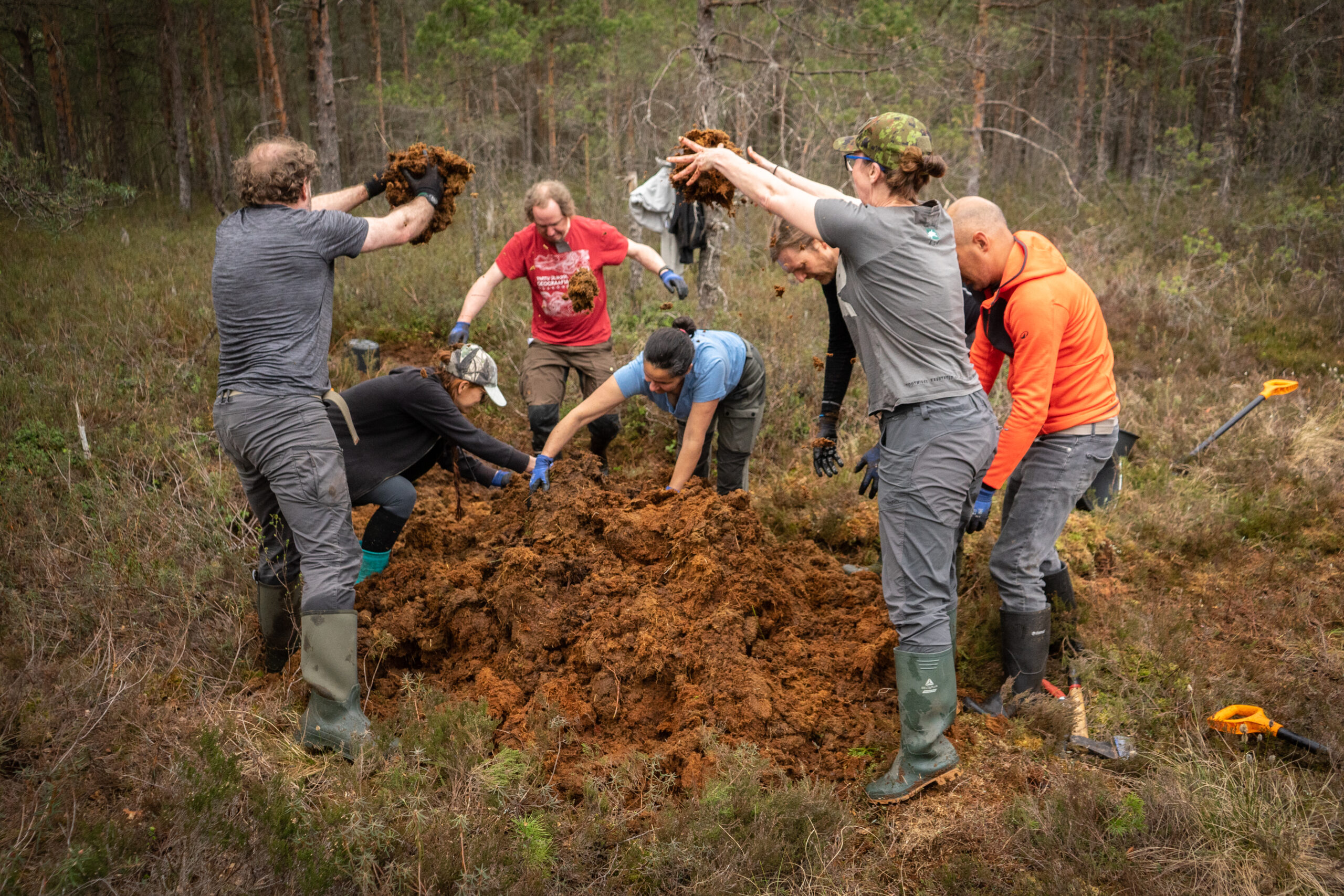
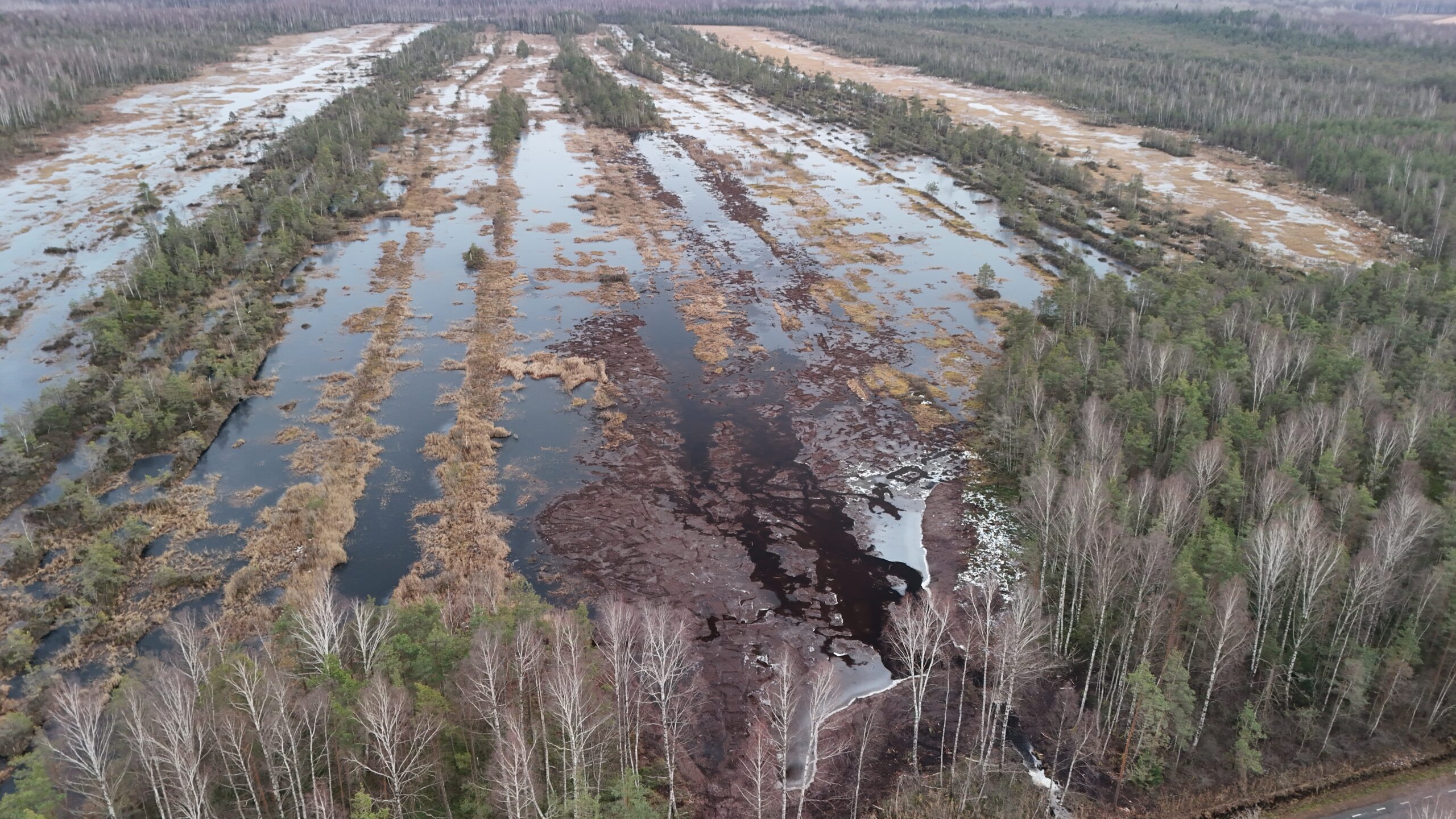
Running from 2015 to 2021, the LIFE Mires Estonia project focused on restoring six key mire areas across Estonia, targeting ten priority wetland habitat types such as active raised bogs and bog woodlands. Through large-scale restoration measures—including closing drainage ditches, constructing dams, and reworking soil—the project helped restore natural water conditions across nearly 8 000 hectares of mires. The project combined practical restoration measures with public engagement, involving volunteers in monitoring and hands-on restoration activities and organising study tours and educational hikes.
Learn more:
Estonian Fund for Nature
LIFE Mires Estonia
Project Handbook
Ad(mire)! | A 9-episode series of educational films