Sea-dumped munitions: Ukraine draws on Baltic Sea experience
Two projects involving the CBSS are helping Ukraine draw on Baltic Sea experience with legacy munitions to address the environmental consequences of the war.
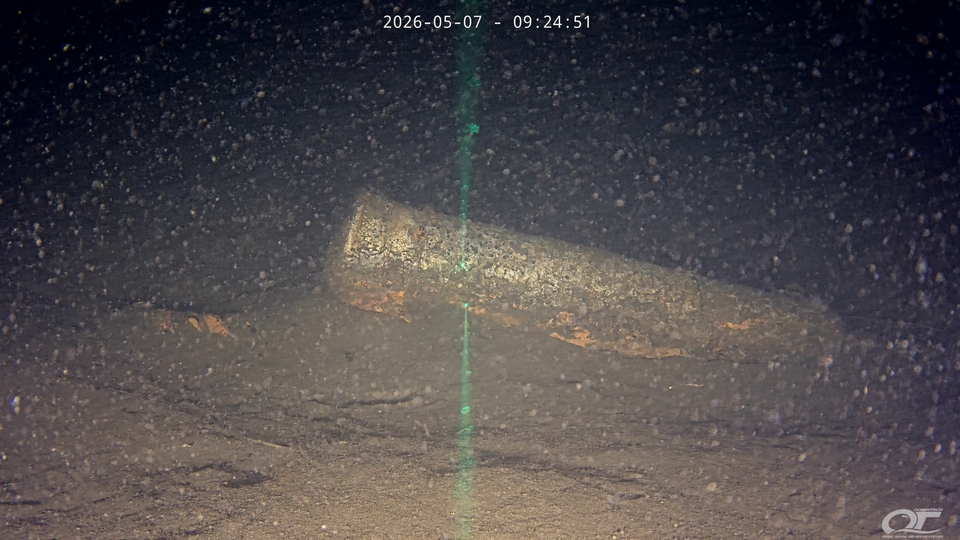
To address the environmental damage caused by the war in Ukraine, both on land and in the Black Sea, the CBSS-funded SAFE-BS2BKS project and the MUNI-RISK project organised a knowledge exchange in Copenhagen on 25 November 2026.
The event saw representatives of HELCOM and the Council of the Baltic Sea States (CBSS), alongside researchers from Aarhus University, share their expertise on legacy munitions with Ukrainian researchers and decision-makers.
Ukrainian officials, including from the Ministry of Agriculture and Food, alongside diplomats from some Baltic Sea countries and a number of researchers and government officials, presented findings on the impact of the war on Black Sea ecosystems, munitions on the seabed, and the consequences for agriculture and food security.
The Baltic Sea countries have experience that Ukraine can draw on. Professor Hans Sanderson from Aarhus University outlined what can be learnt from 80 years of dealing with munitions on the Baltic Sea seabed. The Ukrainian participants then discussed with researchers and regional organisations how cooperation could be translated into action.
Representatives from the Mykolaiv region in Ukraine outlined the needs of local communities during reconstruction. Denmark plays a particular role in the reconstruction of Mykolaiv.
The event was organised by the SAFE-BS2BKS project, funded by the CBSS through its Project Support Facility (PSF), and the MUNI-RISK project, in which the CBSS is a partner, in cooperation with Aarhus University, HELCOM, the CBSS and Ukrainian partners.
Note: The text has been adapted from the pre-event press release.