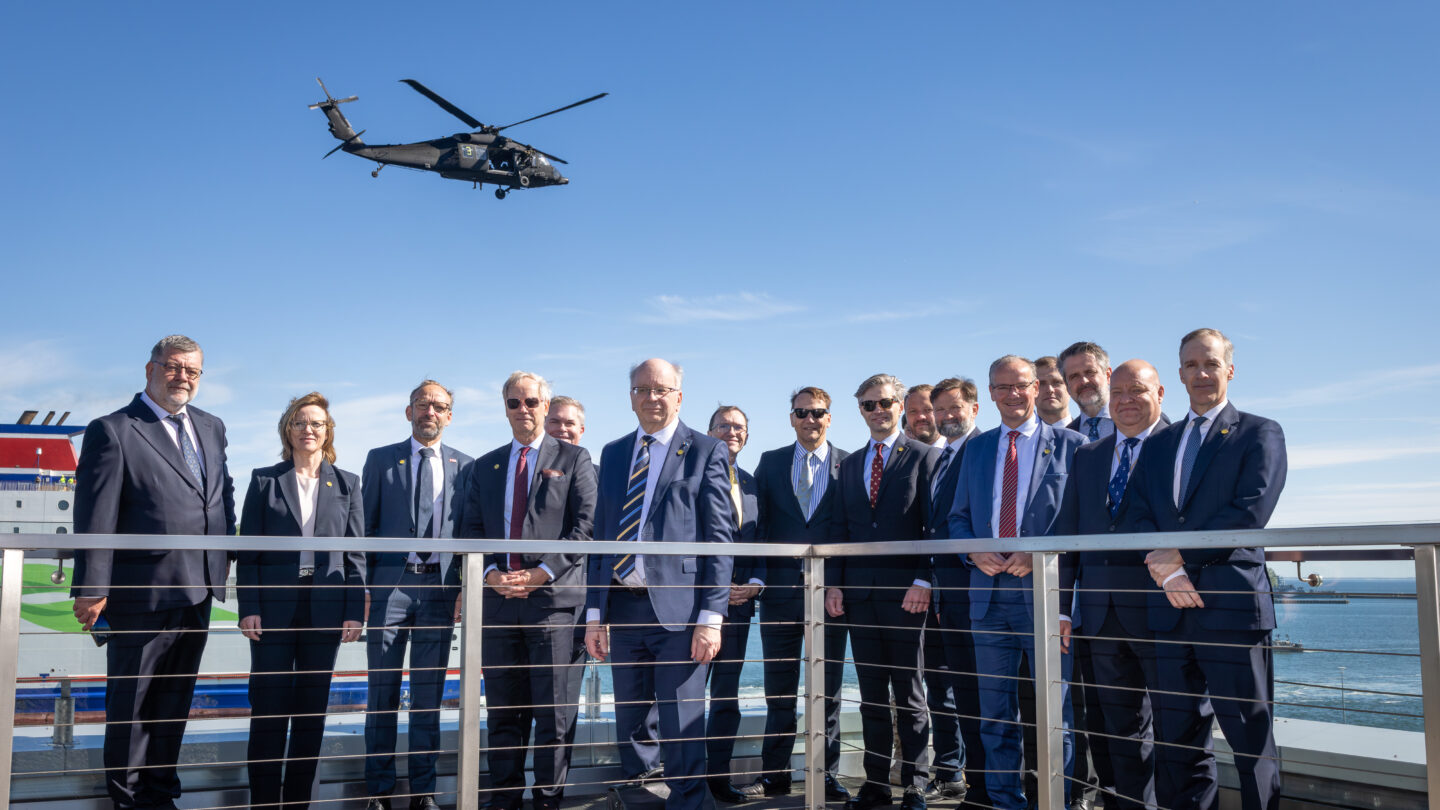
Ministerial Session 2026
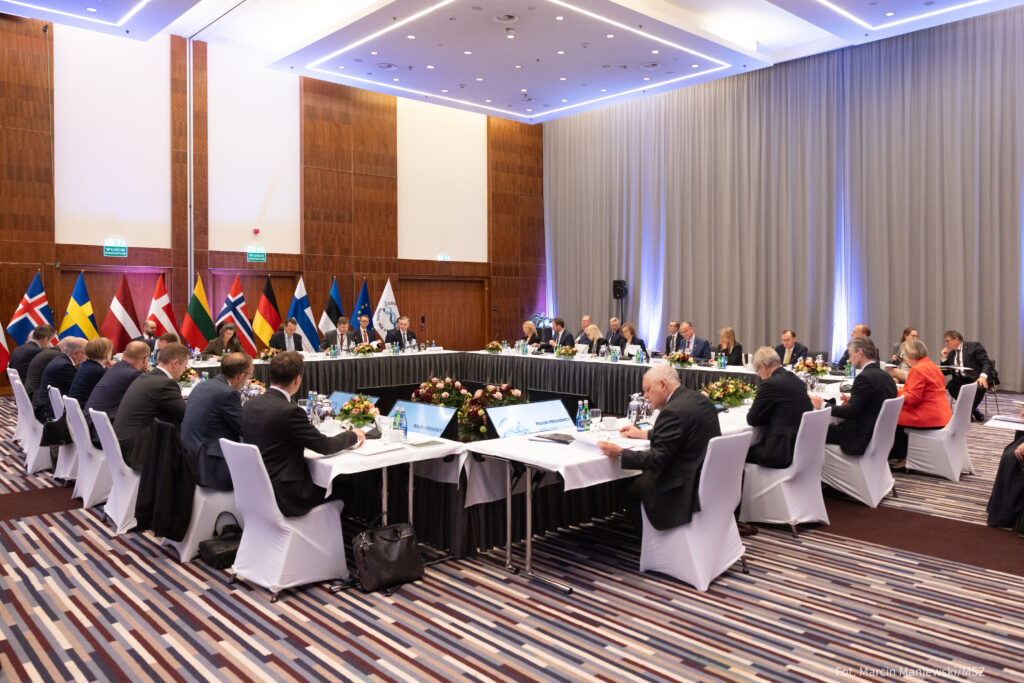
Foreign Ministers and high-level representatives from the CBSS Member States and the EU gathered in Poland on 28–29 May 2026 for the 23rd Ministerial Session of the Council, concluding Poland’s Presidency of the CBSS.
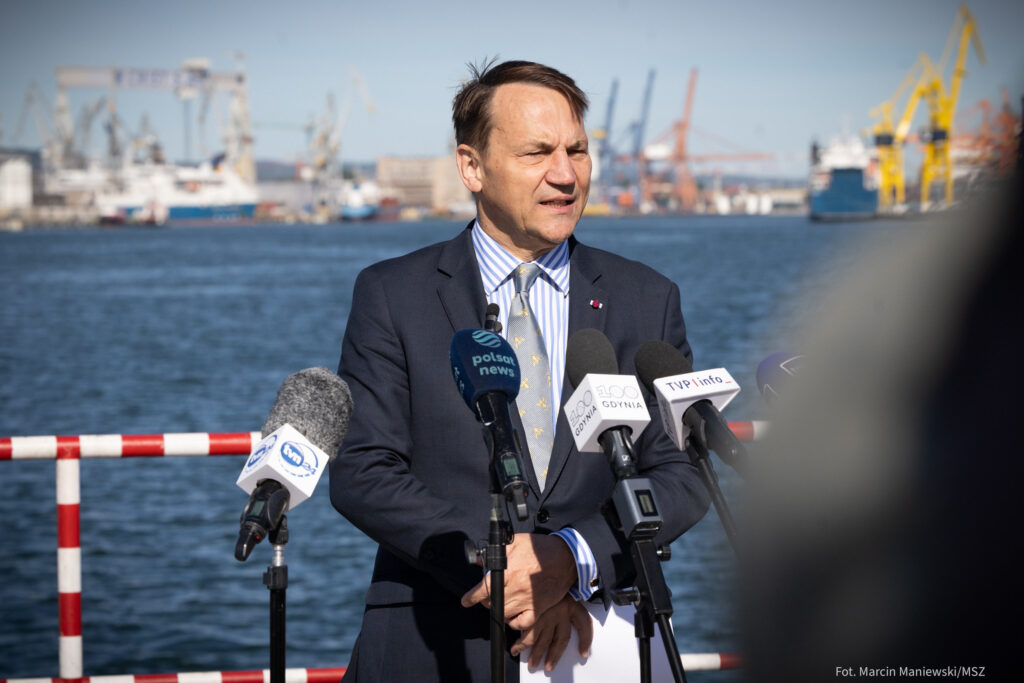
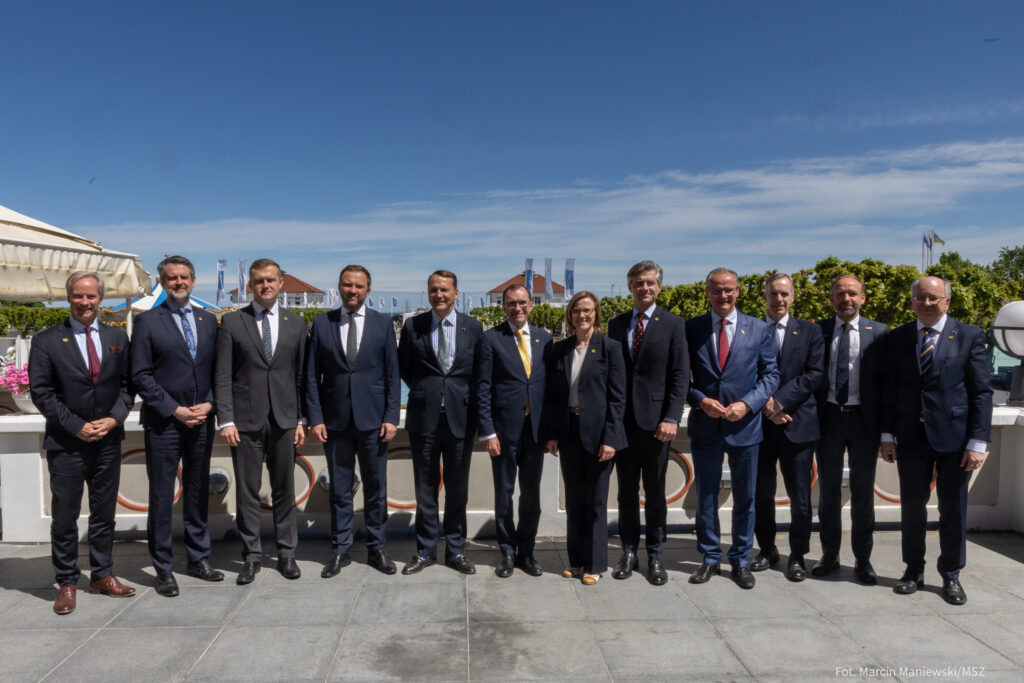
With security and resilience high on the agenda, the CBSS Foreign Ministers and high-level representatives from the CBSS Member States and the European Union met in Sopot, Poland, on 28–29 May 2026 for the 23rd Ministerial Session of the Council of the Baltic Sea States. The session was organised by the Polish Presidency of the CBSS, marking the conclusion of its tenure.

The Ministry of Foreign Affairs of Poland organised the Ministerial Session as part of Poland’s rotating CBSS Presidency. Under its Presidency, which runs from 1 July 2025 to 30 June 2026, Poland has prioritised strengthening the political pillar of the organisation through a stronger focus on regional security, including the protection of critical infrastructure and countering the shadow fleet in the Baltic Sea Region.
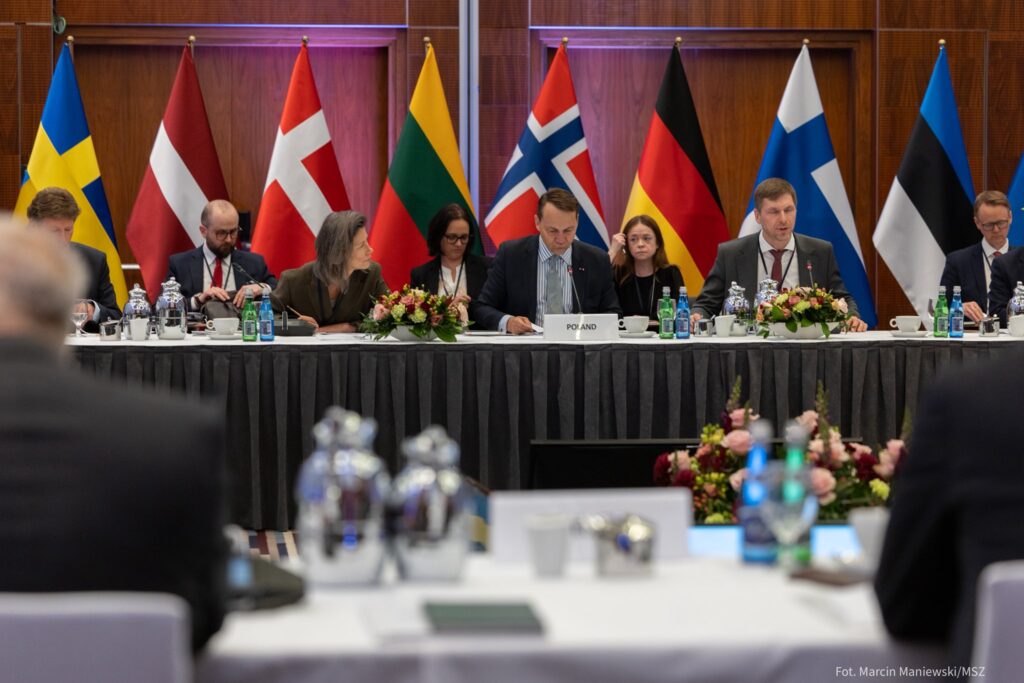
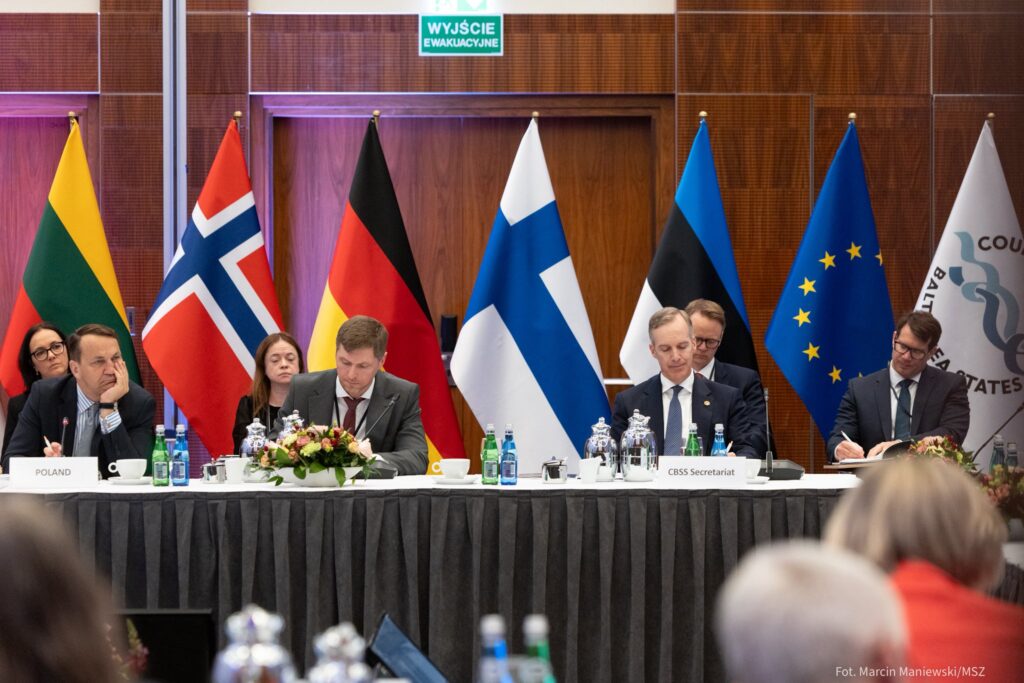
The Council of the Baltic Sea States (CBSS) usually holds Ministerial Sessions once per year. These are attended by the Foreign Ministers of the CBSS Member States — Denmark, Estonia, Finland, Germany, Iceland, Latvia, Lithuania, Norway, Poland and Sweden — as well as a High-Level Representative of the European Union.
SOPOT DECLARATION
At the CBSS Ministerial Session 2026, Foreign Ministers have adopted the Sopot Declaration, reaffirming their strong and unwavering support for Ukraine, once again condemning Russia’s illegal, unjustified and unprovoked war of aggression against Ukraine and identifying Russia as the most significant direct and long-term threat to Euro-Atlantic security.
Against this backdrop, they stressed the need to strengthen regional responses to hybrid threats, including cyberattacks, sabotage, election interference, instrumentalisation of migration, airspace incursions and disruptions to navigation systems in the Baltic Sea Region.
The ministers also expressed concern over Russia’s shadow fleet, describing it as a major environmental, economic and security risk, and called for closer coordination with flag states, further work on legal responses, and stronger regional cooperation to protect critical undersea infrastructure.
The declaration further reaffirmed the role of the CBSS as a platform for political dialogue and cooperation on regional security issues. The ministers agreed that the organisation should continue focusing on security, including resilience, civil preparedness, hybrid threats, and foreign information manipulation and interference (FIMI).
The ministers also acknowledged the contribution of young people to regional decision-making and took note of the Youth Ministerial held in Warsaw in April 2026, where youth delegates developed recommendations on security, digitalisation, climate and connectivity.
Reports on security in tehe region
During the Ministerial, experts from the Polish Institute of International Affairs (PISM) and the Centre for Eastern Studies (OSW) presented their respective reports: “White Paper on Russian Acts of Sabotage and Subversion against Members of the Council of the Baltic Sea States” (PISM) and “Security cooperation formats in the Baltic Sea Region. Recommendations for the Council of the Baltic Sea States” (OSW), an important contribution to the debate on the evolution of the regional security situation and the future role of the CBSS in this context.
- TVP World news on the CBSS Ministerial Session in Sopot: https://tvpworld.com/93541440/polish-special-forces-stage-anti-hijacker-drill-to-boost-baltic-sea-security
- See official pictures of the CBSS Ministerial Session 2026 on the Flickr album of the Polish Ministry of Foreign Affairs.:
- Read and download the Sopot Declaration.
- Read the news release on the website of the Polish Ministry of Foreign Affairs.
Photos: Polish Ministry of Foreign Affairs