PA Secure at the EUSBSR Annual Forum 2025: The Role of Baltic Sea Capitals in Preparedness and Resilience
As cities stand on the frontline of crisis response, the role of Baltic Sea capitals is key to strengthen preparedness and resilience across the region — a focus of the session “Connected Capitals: Local Action, Regional Resilience” at the EUSBSR Annual Forum 2025.
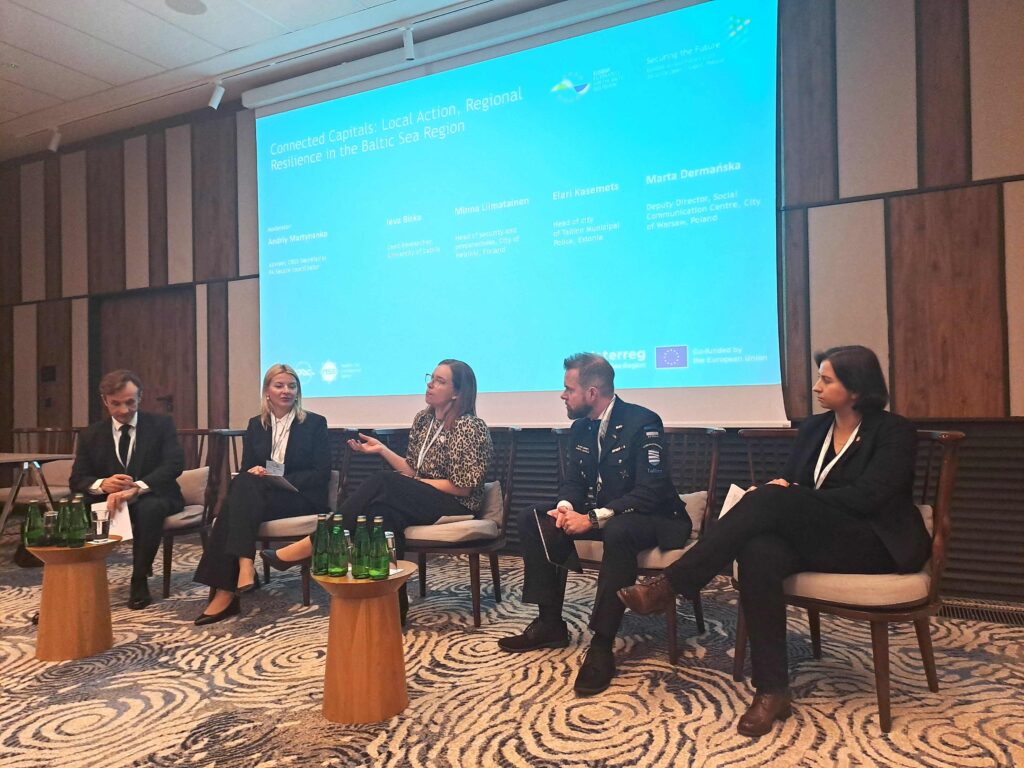
At the EUSBSR Annual Forum in Sopot, Poland on 29 October 2025, Policy Area Secure turned the spotlight on how capital cities can drive resilience from the ground up. The session “Connected Capitals: Local Action, Regional Resilience” explored how Helsinki, Tallinn and Warsaw are strengthening urban preparedness and community readiness, drawing on new comparative research from the University of Latvia.
Moderated by Andriy Martynenko (CBSS Secretariat, PA Secure Coordinator), the session explored how cities ensure the continuity of critical societal functions during crises, involve residents in resilience-building, and identify practical opportunities for future cooperation at Baltic Sea Region level.
Among the ideas proposed were joint Baltic Sea Region guidelines on 72-hour household readiness, systematic knowledge sharing among capitals, and joint training exercises.
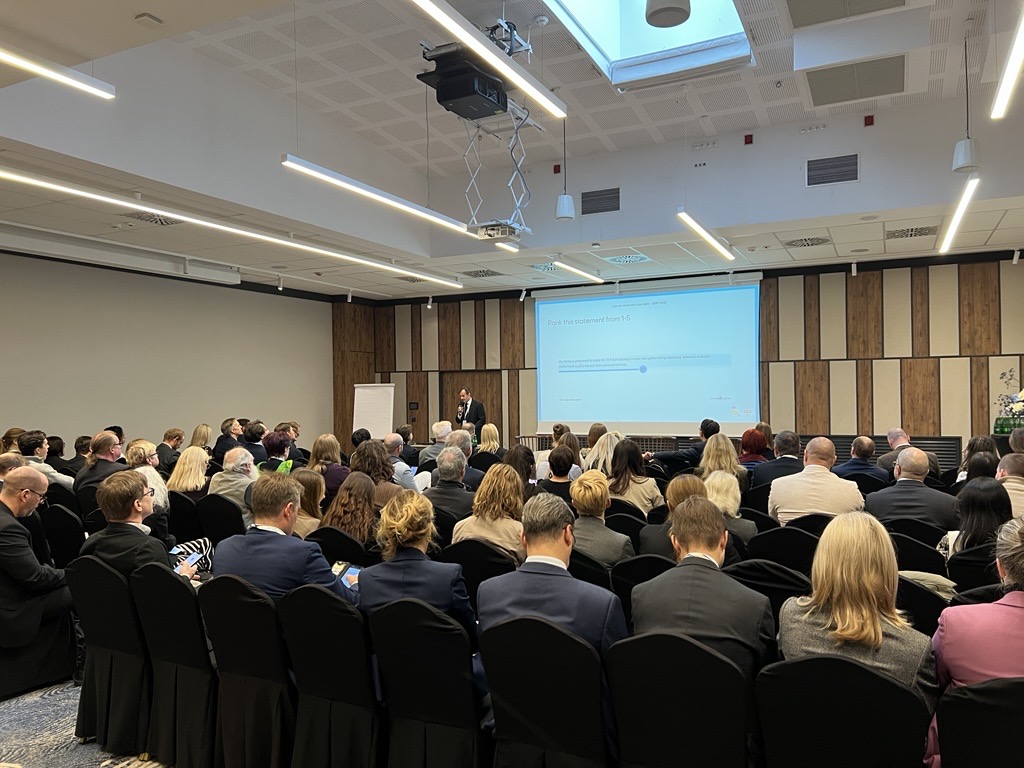
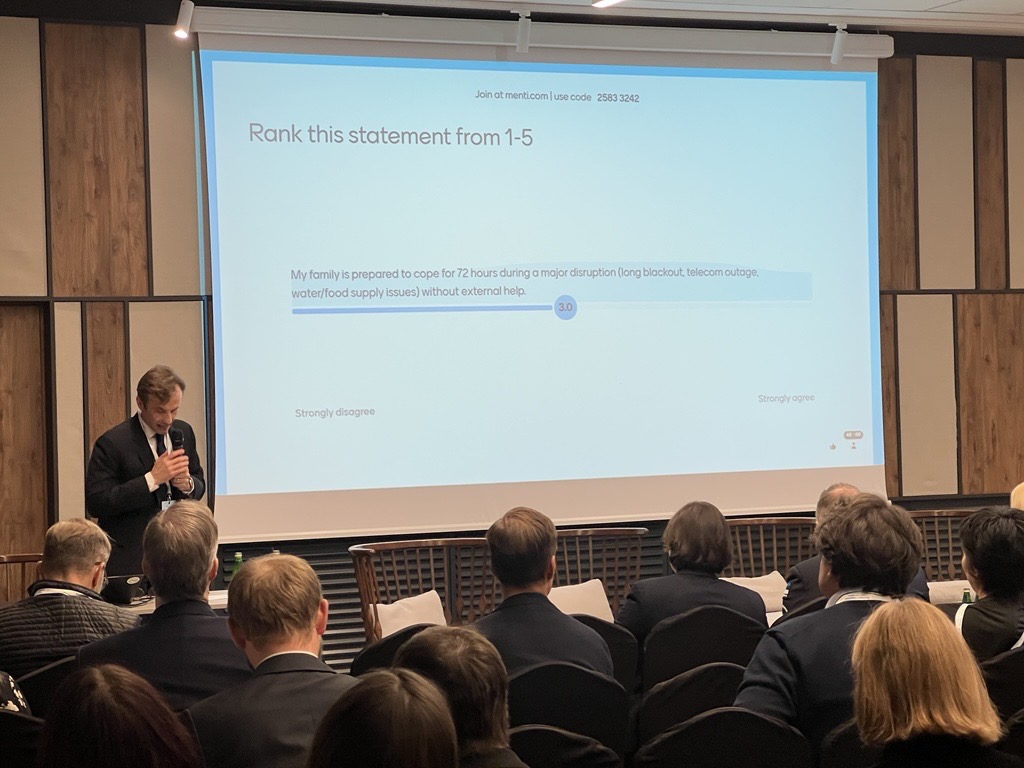
An opening poll showed that participants rate their cities as relatively secure today. However, they expect disinformation, energy disruptions and interruptions to critical supplies to become top urban risks over the next three to five years. At household level, the statement “My family is prepared to cope for 72 hours without external help” scored relatively low, pointing to a need to strengthen personal preparedness.
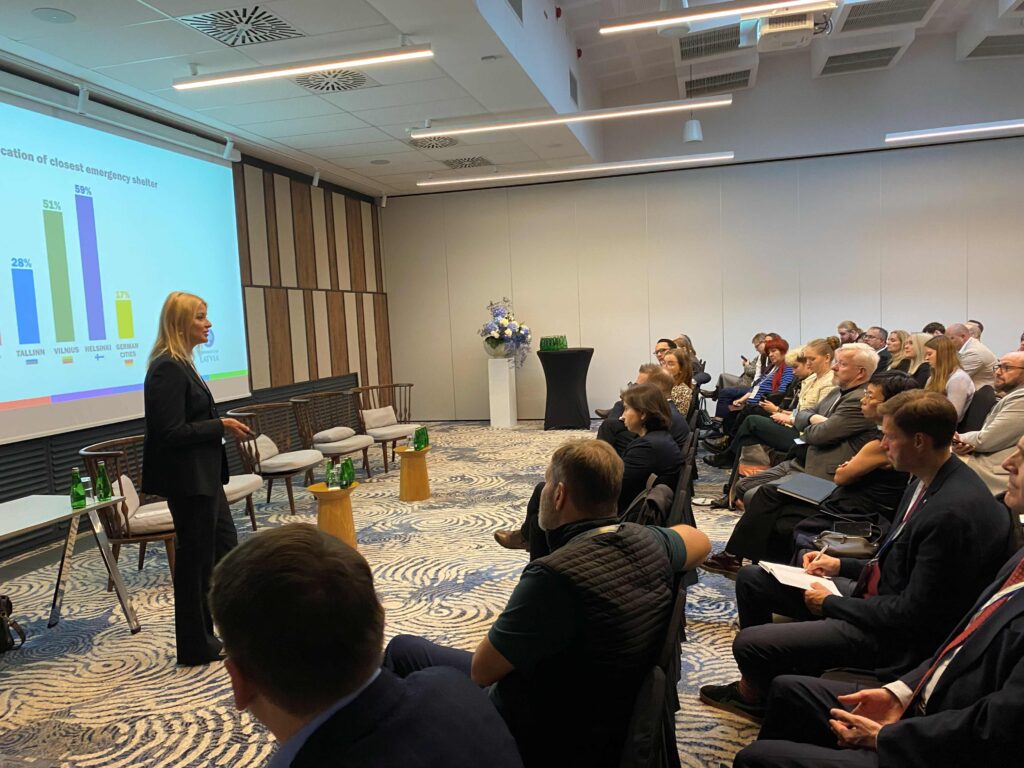
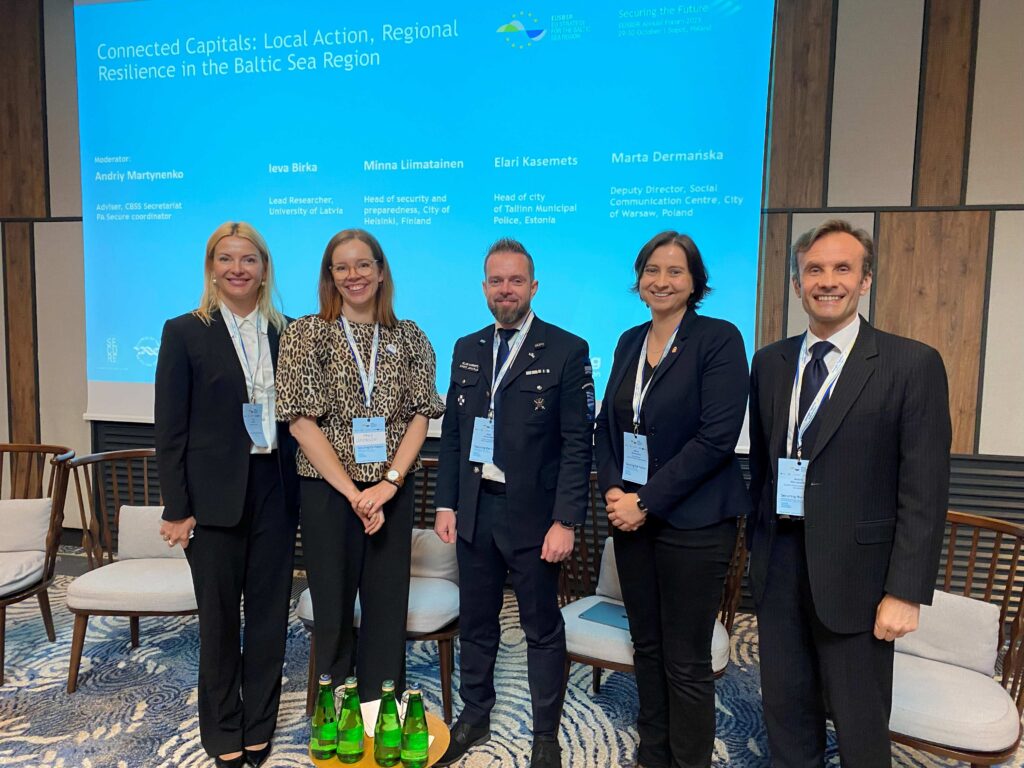
Dr Ieva Birka, Lead Researcher at the University of Latvia, presented findings from the project “Urban Preparedness for Emerging Risks in the Baltic Sea Region.” The study compared perceived and actual levels of readiness across Riga, Vilnius, Tallinn, Helsinki and several German cities, identifying key gaps and highlighting the need for clearer guidance and accessible training for citizens and local authorities.
From Helsinki, Minna Liimatainen, Head of Security and Preparedness, described how local shelters, training and municipal legislation form part of Finland’s national comprehensive security model. She stressed that cities must give citizens the tools to adapt and act during crises.
Elari Kasemets, Head of the Municipal Police in Tallinn, underlined that resilience is a shared responsibility. He highlighted Tallinn’s new Civil Protection Network for Baltic Capitals, which provides a platform for cities to plan and train together, and noted the role of community “champions” in mobilising volunteers.
From Warsaw, Marta Dermańska, Deputy Director of the Social Communication Centre, reflected on the city’s response to the 2022 refugee crisis, when one million Ukrainian refugees passed through Warsaw and a third remained. She emphasised the extraordinary civic engagement shown by residents and explained how the city is now formalising cooperation with NGOs and volunteers to ensure faster, more coordinated responses in future emergencies.
In closing, the PA Secure coordinators reaffirmed that both the CBSS Secretariat and PA Secure stand ready to facilitate continued cooperation among the capitals through follow-up meetings, joint work strands and practical exchanges.
This session was organised by EUSBSR Policy Area Secure, coordinated jointly by the CBSS Secretariat and the Swedish Civil Contingencies Agency (MSB), as part of the EUSBSR Annual Forum 2025 in Sopot.
- More on the EUSBSR Annual Forum 2025: https://eusbsr.eu/annual-forum/