Strengthening public-civil cooperation with spontaneous volunteers: CREWS pilot exercise in Hamburg
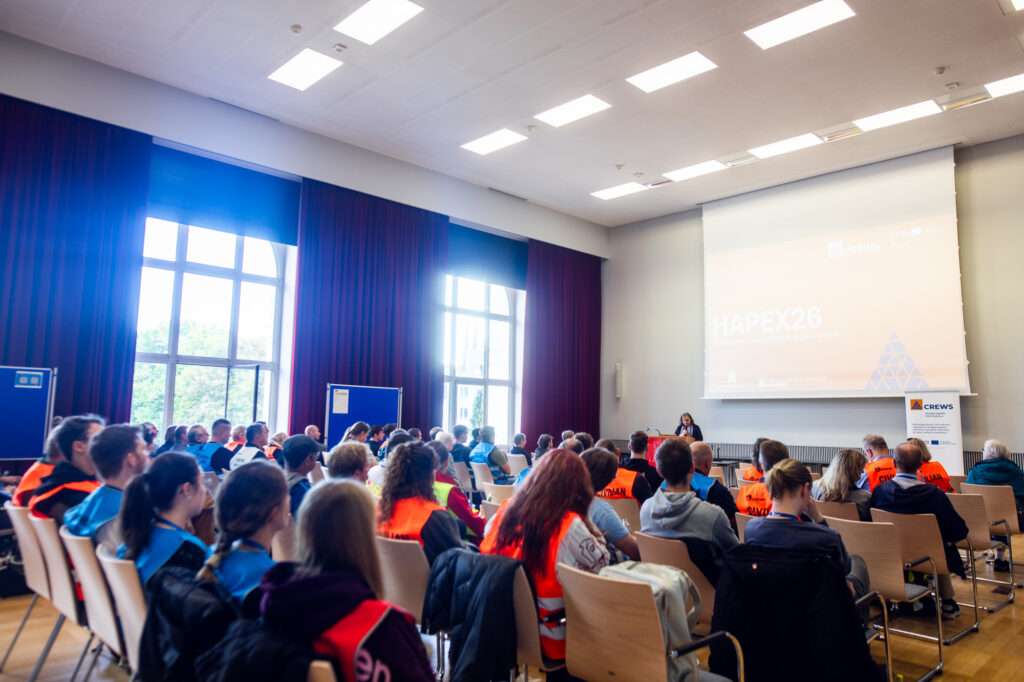
How can emergency authorities effectively coordinate spontaneous volunteers during a crisis? This question was at the centre of HAPEX26, a full-scale crisis simulation exercise held in Hamburg-Altona as part of the CREWS project.
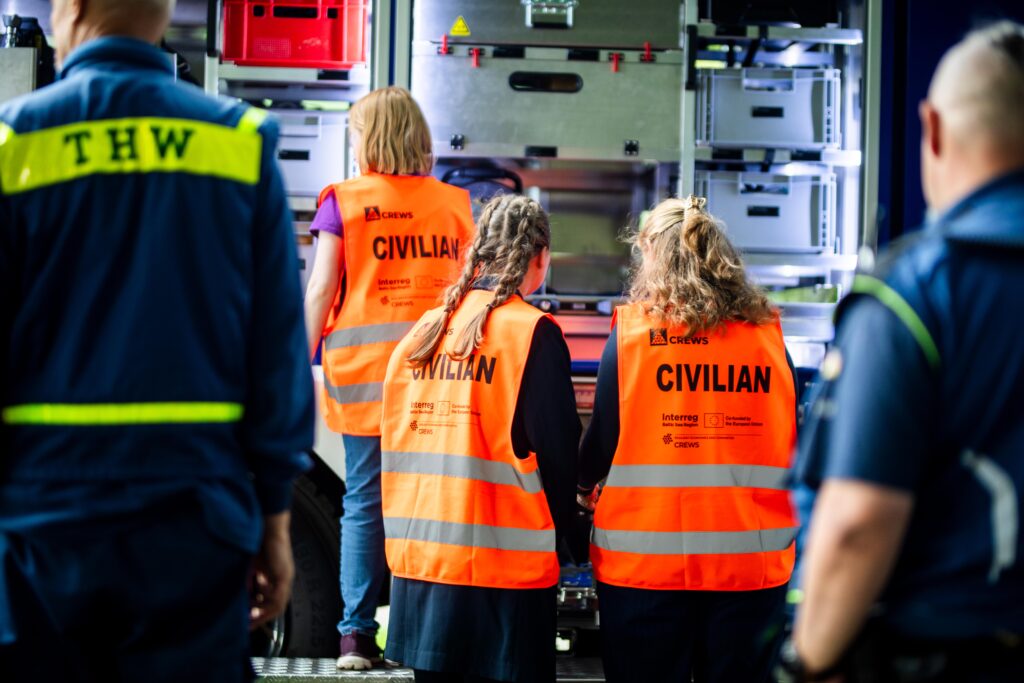
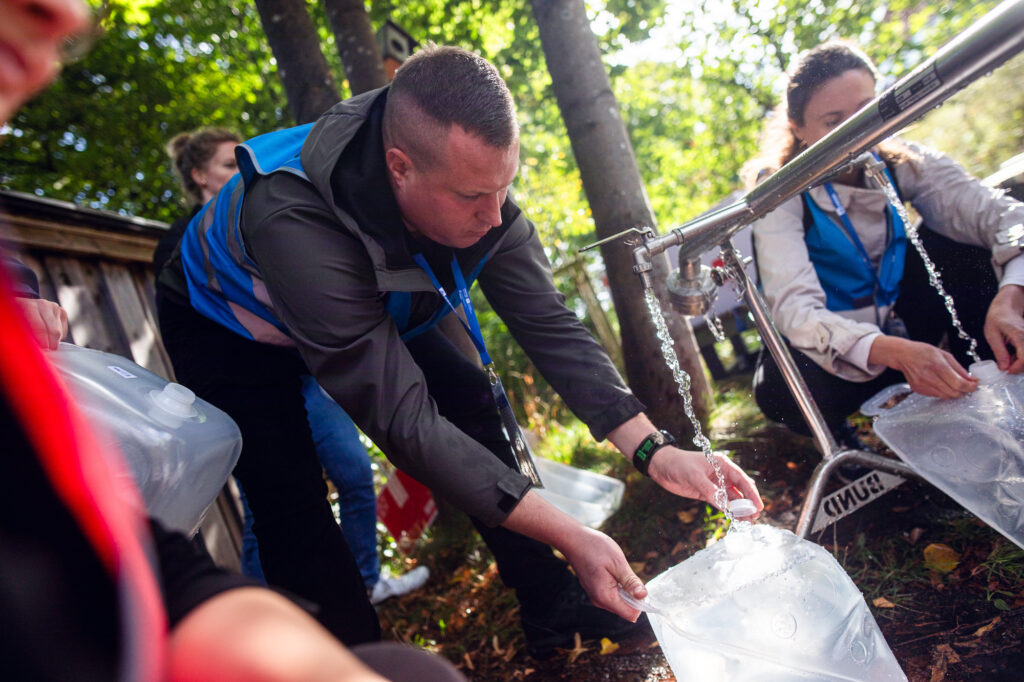
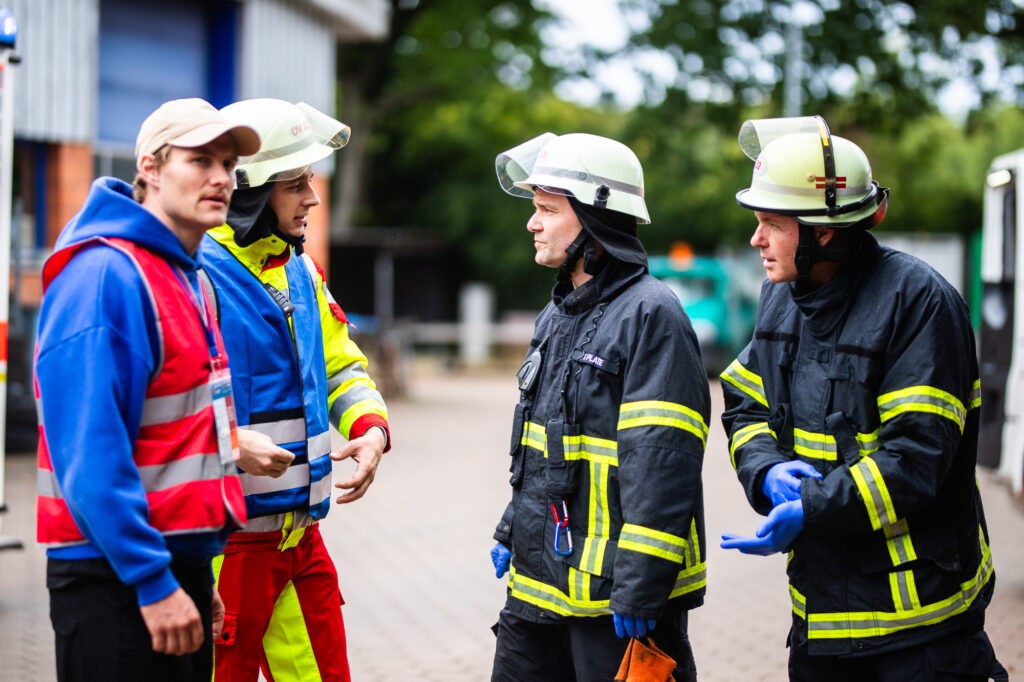
Hosted by the CREWS lead partner, the Hamburg City District of Altona and Hamburg Fire and Rescue Services in Hamburg-Altona on 8–9 September 2026, the exercise brought together around 130 participants, including emergency services, local NGOs, volunteers and international partners. The scenario combined a prolonged heatwave followed by flooding, with participants responding to around ten operational situations, including setting up emergency support points, distributing drinking water, filling sandbags and assisting injured people.
A key focus was testing how spontaneous volunteers can be integrated into organised emergency response. Participants registered through the CREWS digital coordination tool, which helps authorities identify needs, organise available volunteers and assign tasks through volunteer group leaders.
The exercise also tested cooperation between emergency authorities, professional responders and civil society, providing practical insights into how digital tools and coordinated procedures can support crisis response.
The CBSS is a partner in CREWS, which develops a cooperation model, digital tools and training materials to improve coordination between authorities and volunteers during emergencies.
HAPEX26 was one of several pilot activities in the Baltic Sea Region designed to test these solutions in practice. The lessons learned will help the project further develop its approach and strengthen cooperation and preparedness for increasingly complex crises and extreme-weather events.
The CREWS project is co-funded by the Interreg Baltic Sea Region Programme.
Photos: Benjamin Ebrecht / @bephotography.de