CBSS advances trauma-informed approaches to child protection and anti-trafficking under the Icelandic Presidency
An international conference in Reykjavík examined how trauma-informed approaches can strengthen support for children at risk and victims and survivors of human trafficking, alongside two CBSS expert group meetings under the Icelandic Presidency.
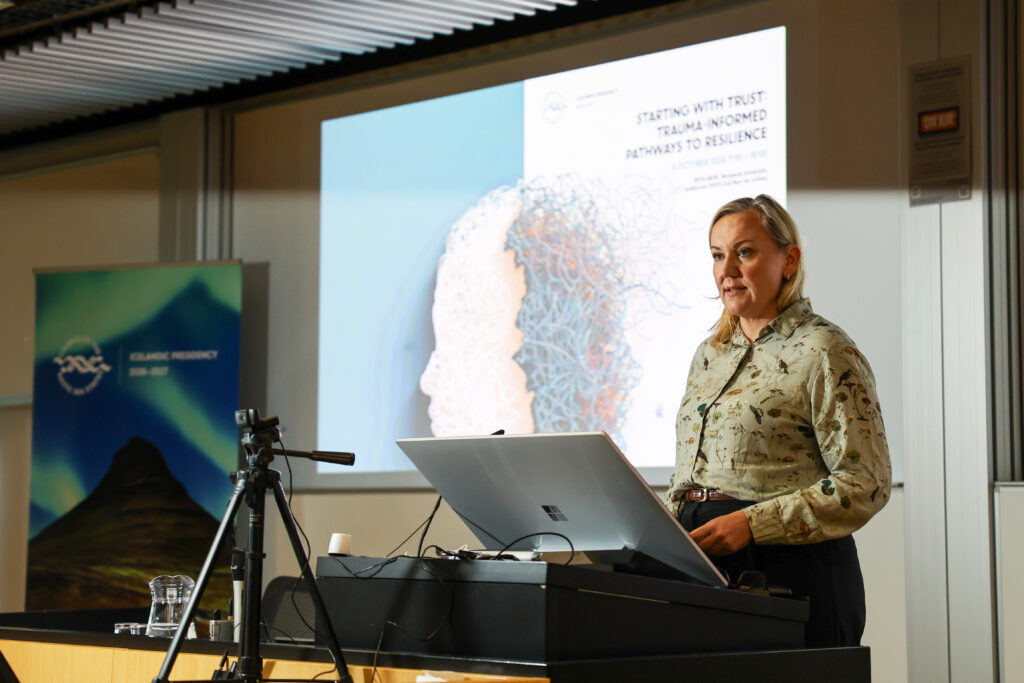
How can professionals build trust, support recovery and foster resilience among children at risk and victims and survivors of human trafficking? These questions were at the centre of the international conference Starting with Trust: Trauma-Informed Pathways to Resilience, hosted by the CBSS at Reykjavík University on 8 October 2026 in cooperation with the Icelandic Ministry for Foreign Affairs and the Ministry of Justice of Iceland.
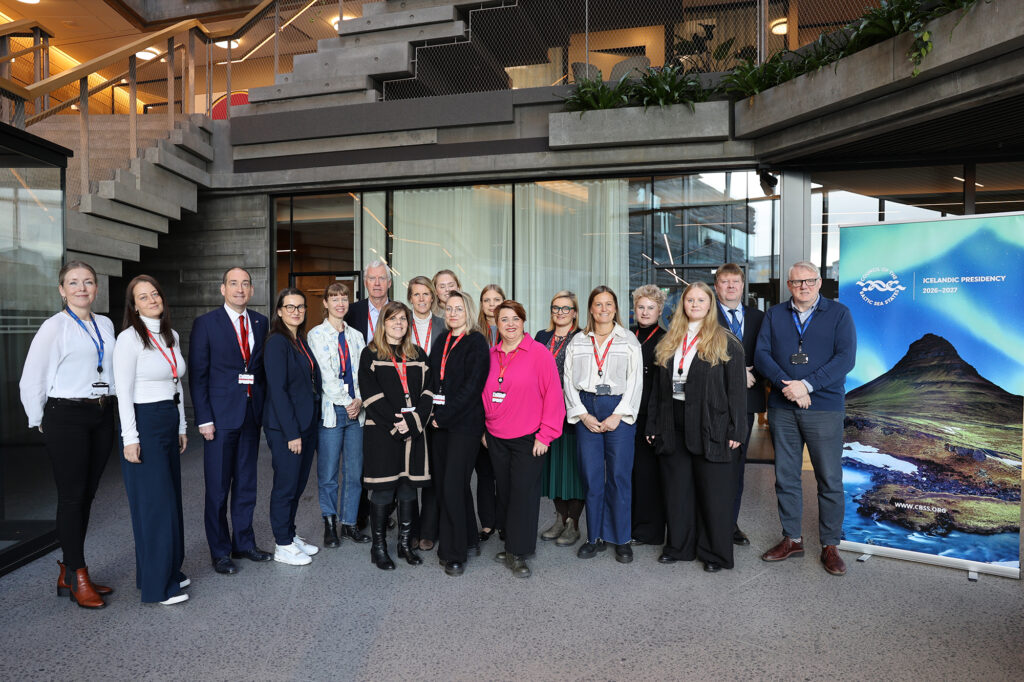
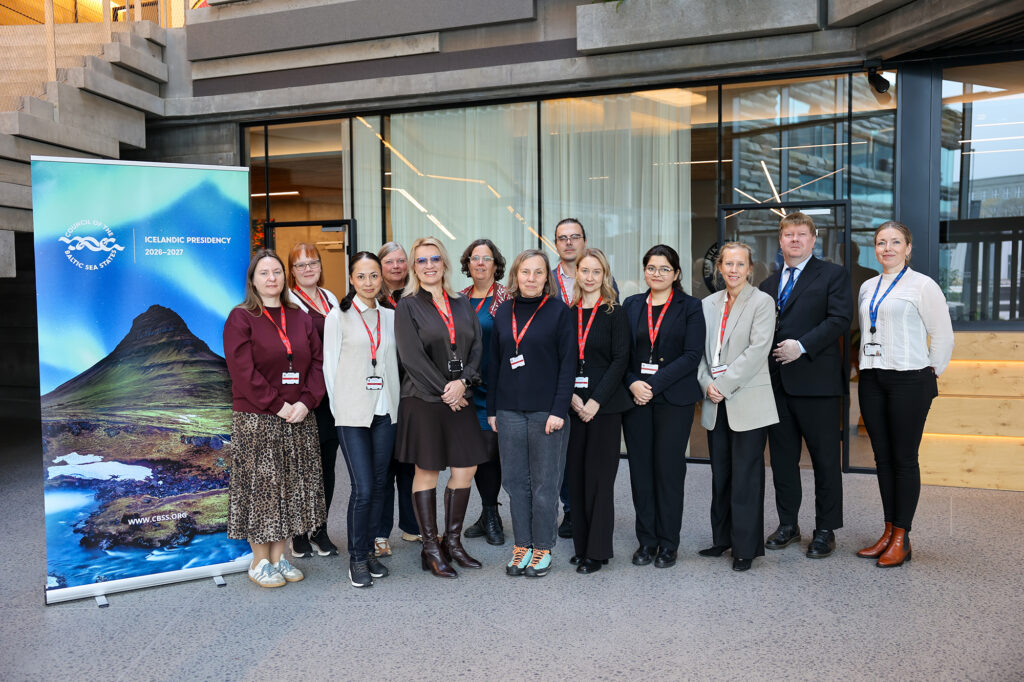
Organised under the Icelandic Presidency of the CBSS 2026–2027, the conference connected experts, practitioners, researchers and policymakers in human trafficking and child protection from across the Baltic Sea Region and beyond to exchange knowledge, experiences and practical approaches.
Opened by Iceland’s Minister of Justice, Þorbjörg Sigríður Gunnlaugsdóttir, the conference addressed trust-based approaches to trafficking investigations, support for refugee children, trauma-informed care and cooperation between public authorities and non-governmental organisations.
A central message was that trauma-informed care must be an integral part of the support provided to victims and survivors, particularly children and young adults who have experienced exploitation.
“Trauma-informed care is not optional. It is the foundation of effective support for victims of human trafficking for sexual exploitation, especially children and young adults,” said Edi Mujaj, CBSS Senior Adviser and Head of the Task Force against Trafficking in Human Beings.
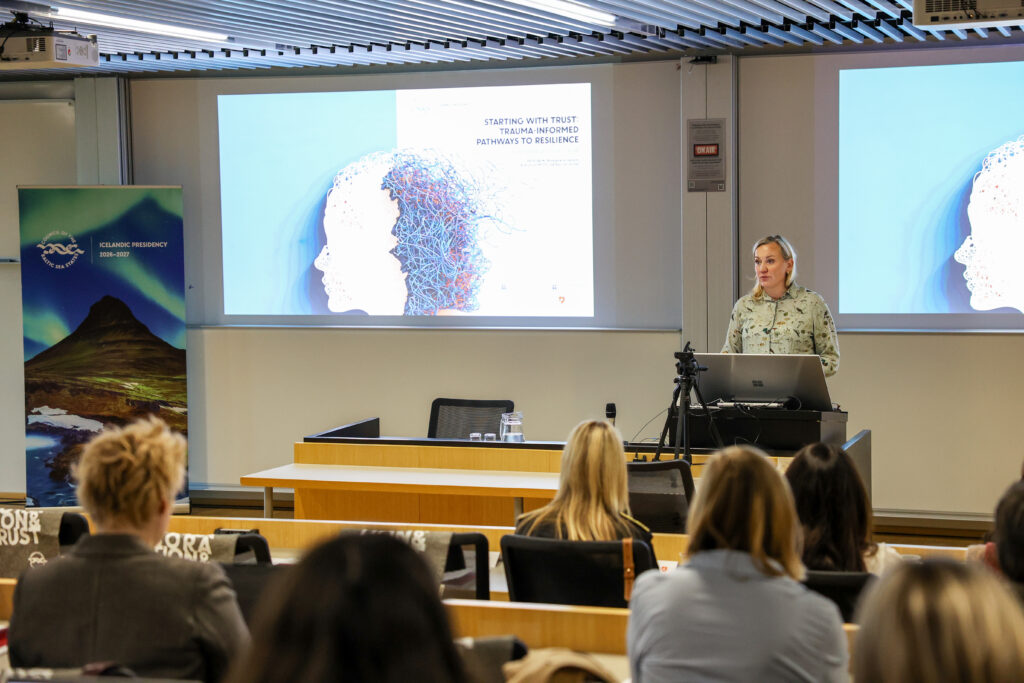
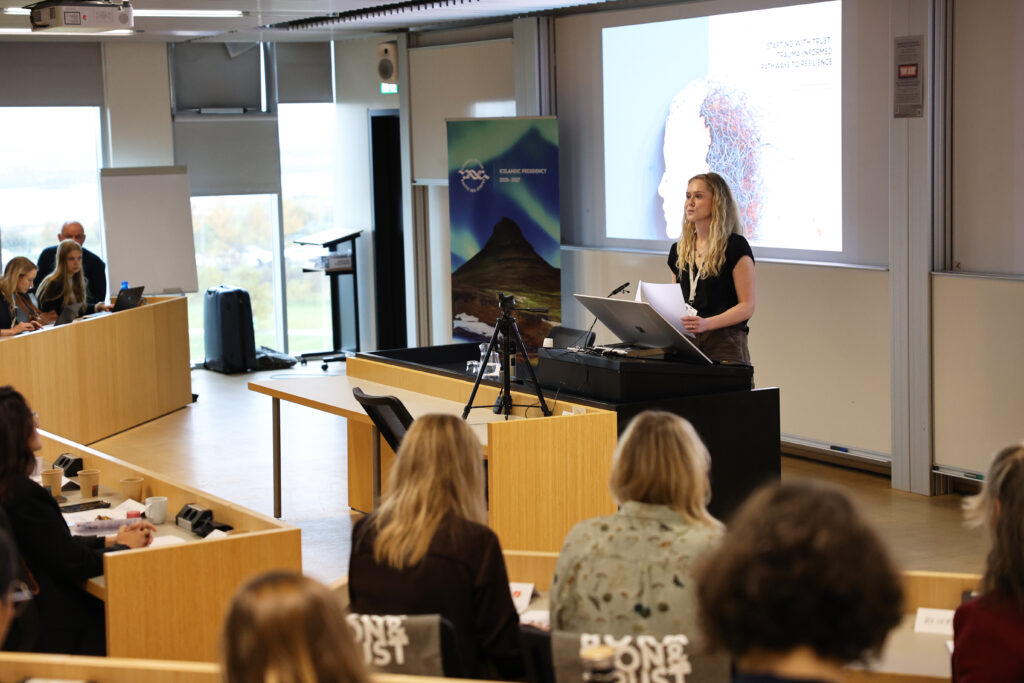
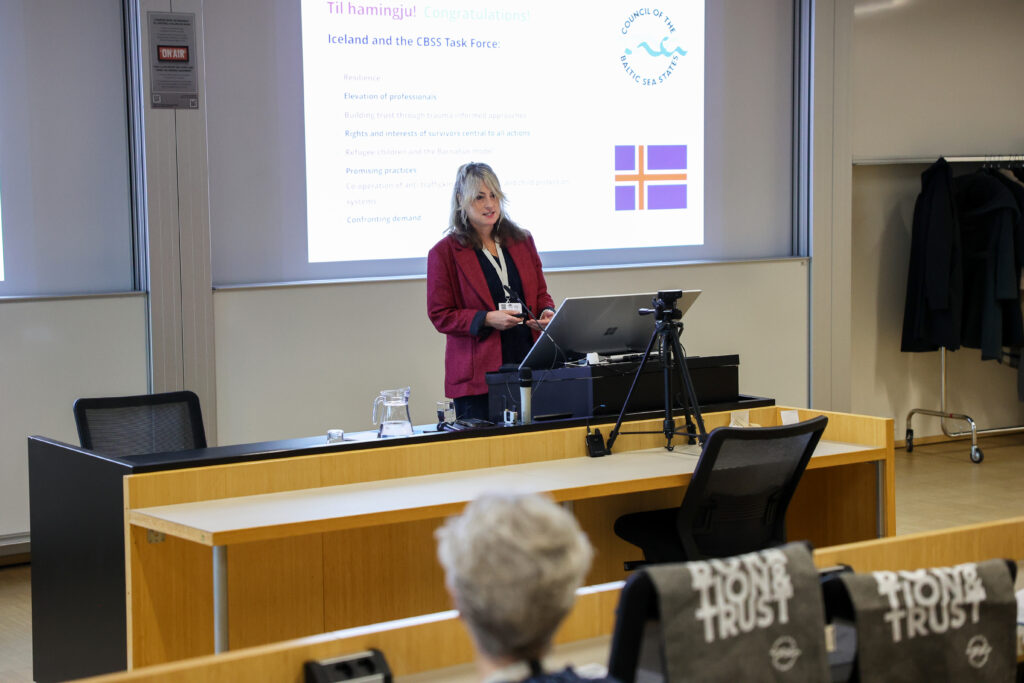
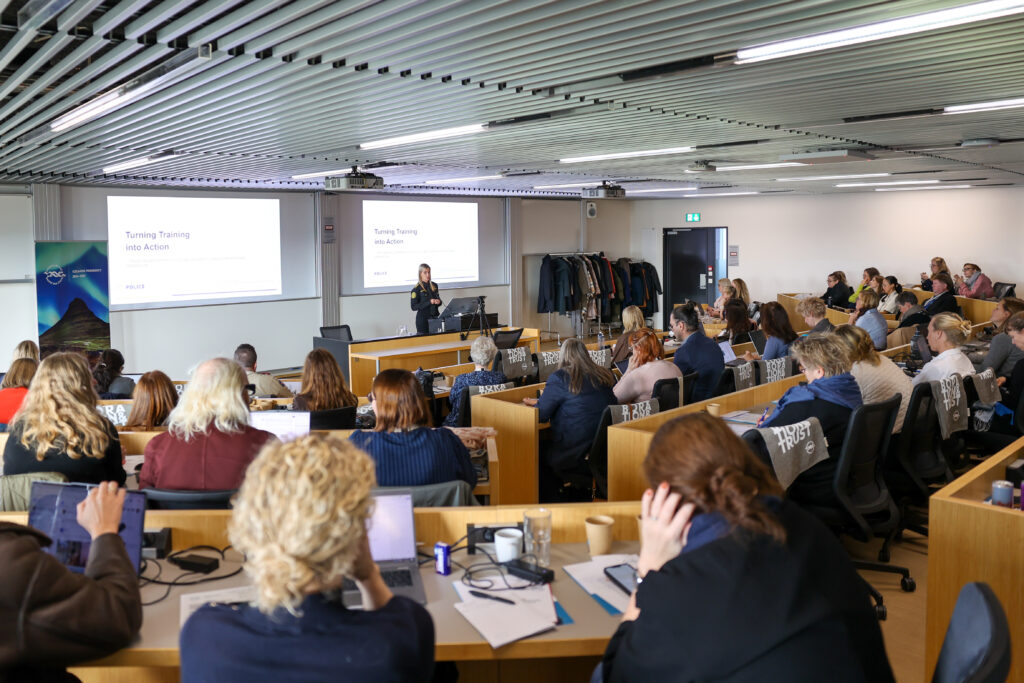
Putting trauma-informed principles into practice also requires awareness and understanding across the range of professions that work with children. While specialised expertise is important, every professional who comes into contact with a child can contribute to creating a safer, more supportive environment by applying basic trauma-informed principles.
“We don’t need everyone to become a trauma specialist. We need every professional a child turns to — be it a teacher, a police officer or a social worker — to have a few sound principles they can apply in their own field. The conference reminded us how much that matters,” said Kadi Lauri, CBSS Senior Adviser and Head of the Children at Risk Unit.
The conference also marked the launch of Everything You Need to Know about Prostitution, Human Trafficking and Other Forms of Sexual Exploitation, an educational publication aimed at raising awareness of sexual exploitation among young people. Developed as part of the CBSS-led PEX-BSR project, the publication includes contributions from youth representatives and organisations across the Baltic Sea Region.
Expert group meetings complement conference discussions
The conference formed part of three days of CBSS activities in Reykjavík, alongside meetings of the CBSS Task Force against Trafficking in Human Beings (TF-THB) and the CBSS Expert Group on Children at Risk (EG CAR).
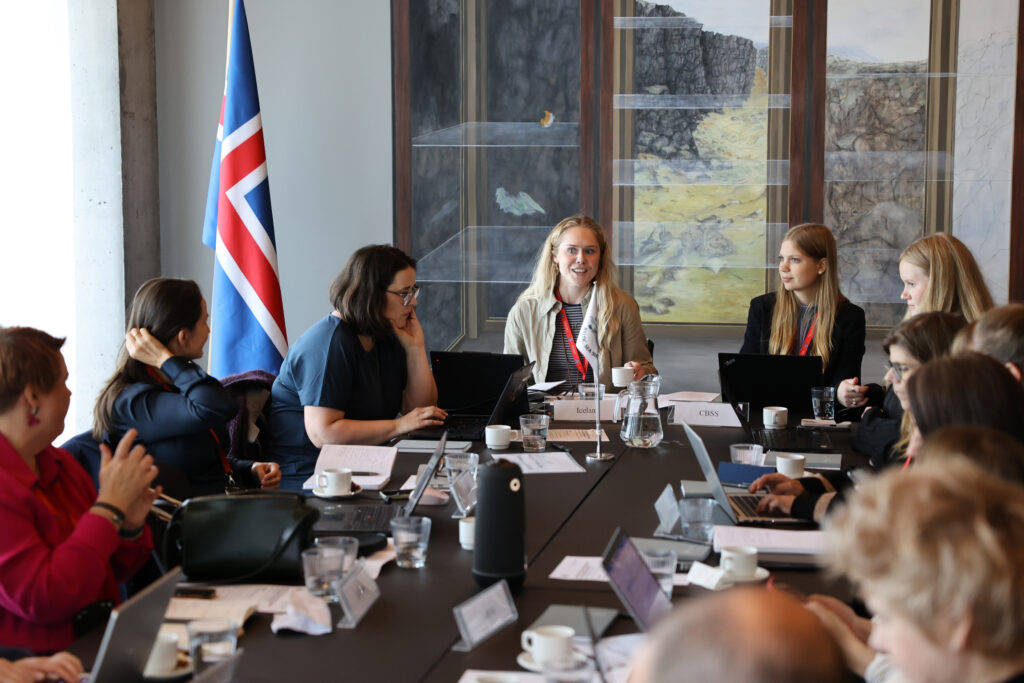
On 7 October, the TF-THB held its first meeting under the Icelandic Presidency. Representatives from CBSS member states exchanged experiences on recent developments, good practices and challenges in applying trauma-informed approaches to support victims and survivors of human trafficking. They notably focused on practical methods and tools to help professionals establish trust and provide appropriate support.
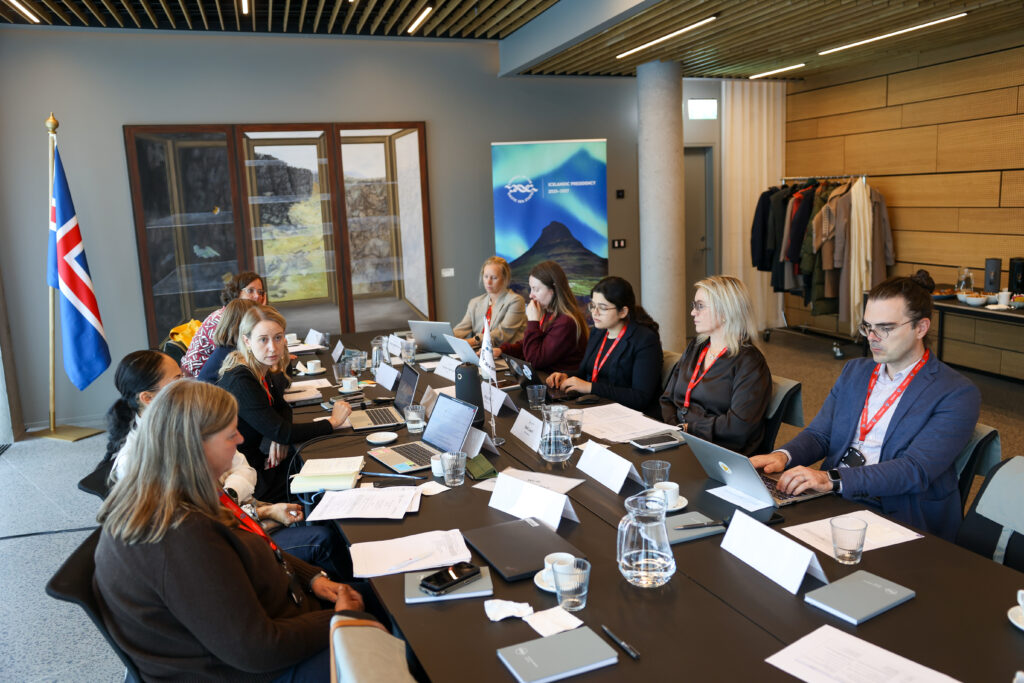
The EG CAR met on 9 October, focusing on trauma-informed care for refugee children and examining good practices and challenges in cooperation between state agencies and NGOs. Experts from CBSS member states also reviewed national priorities, ongoing projects and future activities to strengthen support for children affected by trauma.