Child Protection
The CBSS is working to strengthen national child protection systems and to promote justice, protection and recovery for children in vulnerable situations. It does this through its Expert Group on Children at Risk and Children at Risk Unit, which facilitate dialogue, practical cooperation and knowledge exchange across the region. CBSS’s work in the area of child protection is grounded in the rights set out in the United Nations Convention on the Rights of the Child (UNCRC).
Overview
The vision of the CBSS Expert Group on Children at Risk (EG CAR) for the Baltic Sea Region is a society where all children, especially those at risk of harm, have equal opportunities to grow, develop and thrive free from all forms of violence. Our mission is to strengthen the protection and rights of children through regional cooperation and knowledge exchange.
We bring together the CBSS Member States and relevant partners to build trust, identify common challenges and develop joint initiatives. We seek to strengthen child protection and promote effective, inclusive and child-centred responses. Our work aims to contribute to safer childhoods, stronger child protection systems and greater opportunities for every child to participate and be heard. While progress has been made, children across the region continue to face risks of harm and unequal opportunities, making sustained cooperation, learning and joint action essential.
The issue in the BSR context
The countries in the Baltic Sea Region have, in general, strong child protection systems which comprise legal and policy frameworks, governance structures, a wide range of programmes ranging from prevention to response, a professional workforce and decentralised service delivery. The countries furthermore share a common foundation in the UNCRC, which, to a large extent, has been reflected in the national legislation, policy and strategic frameworks.
The approaches to child protection are similar across the countries but with some variations, depending on the national context. The countries in general adopt a rights-based, child-focused approach, where the system prioritises the rights of the individual child to protection and the importance of supporting parents and other carers to achieve this.
At the same time, emerging risks place increasing pressure on child protection systems to maintain existing achievements while adapting to changing demands. This includes ensuring the safety and security of children in emergencies, including armed conflicts and natural disasters, and providing appropriate support to children in alternative care, including those with challenging behaviour or behavioural disorders.
The rapid development of digital technologies, including artificial intelligence and social media, is creating new risks such as harmful or sexualised content, cyberbullying, online exploitation and manipulation, and related mental health challenges. Children with refugee and migration backgrounds also face longer-term challenges related to protection, participation and integration as they grow up in a new country.
These developments highlight the need for continued cooperation and knowledge exchange to ensure that child protection systems remain responsive to emerging risks and changing needs.
The role of the CBSS
The CBSS provides a regional platform for strengthening child protection through dialogue, knowledge exchange and practical cooperation, with the Children at Risk Unit serving as a hub for regional cooperation. There is a strong focus on building mutual trust and collaboration between the countries in the region and enhancing the ability of national child protection systems to work effectively on transnational cases, which often involve children in the most precarious of situations.
Beyond facilitating exchange, the CBSS supports countries and relevant partners in turning shared knowledge, expertise and identified needs into meaningful initiatives. By connecting national expertise and creating space for joint development, the CBSS contributes to the development of research, guidance, tools, models and other approaches that can strengthen child protection practice and systems across the region. The CBSS Registry of Practices is one example, providing a platform for sharing noteworthy approaches and supporting learning between countries.
Through its role, the CBSS complements national child protection efforts while contributing to stronger, more inclusive and resilient approaches across the Baltic Sea Region. The Children at Risk Unit provides continuity and coordination to this cooperation, enabling countries and partners to develop joint approaches and respond collectively to emerging risks and changing needs affecting children.
Activities
The activities of EG CAR are centred on regional exchange and practical cooperation on issues affecting children at risk of harm. Through regular meetings, expert dialogue, thematic conferences, capacity-building, research and the sharing of practice, we support countries in learning from one another, identifying common and emerging challenges, and developing joint initiatives. This work is complemented by targeted bilateral exchanges and the documentation and dissemination of noteworthy practice from across the region.
Practical collaboration is guided by four strategic focus areas: multidisciplinary and interagency services for child victims and witnesses of violence; non-violent childhoods; sexual violence, including technology- and AI-facilitated forms; and inclusion and equity. Across these areas, we aim to:
- Strengthen inclusive and resilient child protection systems, including their capacity to prevent, prepare for, respond to and recover from crises and emergencies, and to cooperate effectively in transnational cases involving children in particularly vulnerable situations.
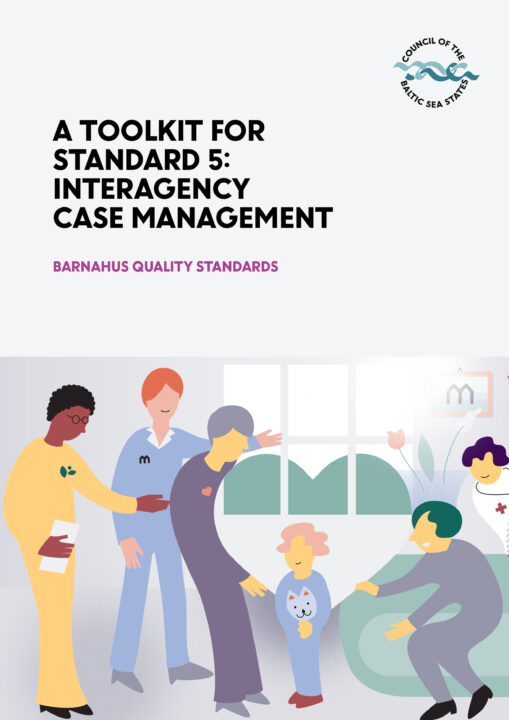
- Promote multidisciplinary and interagency responses to violence against children, including through child-centred justice and protection models such as Barnahus, and strengthen cooperation between relevant authorities and services.
- Advance prevention of violence and exploitation, including trafficking and sexual violence, with particular attention to new and emerging forms of harm facilitated or amplified by digital technologies, including artificial intelligence.
- Strengthen child participation, supporting meaningful and sustainable mechanisms through which children can contribute to decisions and actions affecting their rights, safety and wellbeing, including efforts to build resilient and secure societies.
- Promote inclusion and equity, with attention to children who may face challenges accessing protection, participation, support and services, including children in alternative care and children in vulnerable or changing circumstances.
A broader focus on safety, security and resilience runs across this work. Protecting children from violence, exploitation and harm is an important part of resilient and cohesive societies and contributes to safe and secure communities and trust in the systems that protect them. This includes strengthening the capacity of child protection systems and relevant actors to anticipate, prevent, prepare for and respond to risks, including those arising in emergencies and cross-border situations.
The Expert Group maintains an open and flexible approach, allowing activities to respond to developing and emerging risks and to areas where regional cooperation can add value. Priorities may emerge from Member State needs, Presidency priorities, ongoing initiatives or proposals from partners, enabling the work to evolve with the challenges facing children in the Baltic Sea Region.
Find out more about CBSS projects and publications related to child protection:
- Child Protection publications – research, guidance, tools and other publications related to child protection.
- CBSS projects – an overview of projects across the Baltic Sea Region.
Key Achievements
- All CBSS Member States have ratified the UN Convention on the Rights of the Child (UNCRC).
- All CBSS Member States have a full legal prohibition of corporal punishment in place.
- Barnahus (“Children’s Houses”) are established or piloted in all CBSS Member States and many more across Europe, building on the CBSS’s significant role in developing and promoting the model and establishing the European Barnahus Network, now an independent network active in 43 national contexts.
- The CBSS Registry of Practices provides a platform for identifying, documenting and sharing noteworthy child protection practices across the Baltic Sea Region.
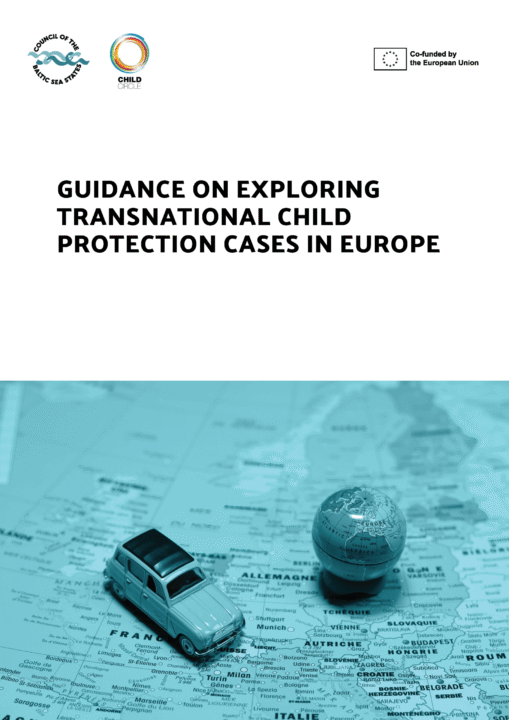
- Guidance on Exploring Transnational Child Protection Cases in Europe has been developed to support policymakers and professionals in protecting children’s rights in complex cases involving multiple countries.
- Guidance on implementing legal bans on corporal punishment has been translated into 11 languages, with more translations in progress.
- Over the past 24 years, CBSS has been involved in training over 1500 professionals in the areas of child protection, asylum and migration, trafficking, alternative care, safety on the internet, child friendly justice and more.
Latest News
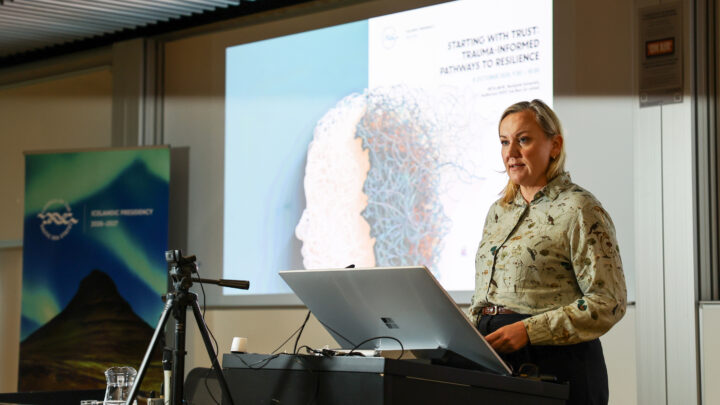
CBSS advances trauma-informed approaches to child protection and anti-trafficking under the Icelandic Presidency
How can professionals build trust, support recovery and foster resilience among children at risk and victims and survivors of human trafficking? These questions were at…
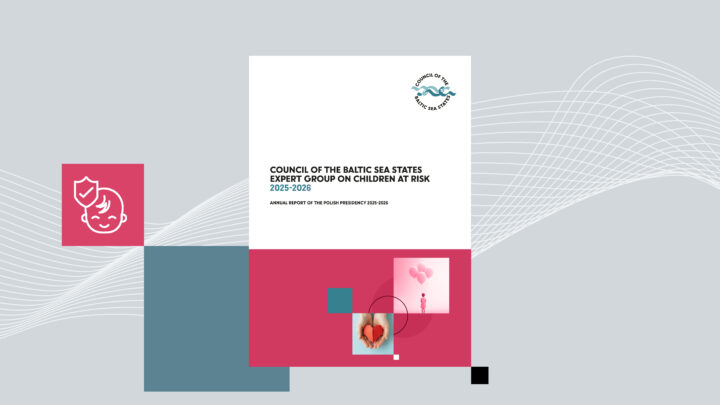
Child protection cooperation: Annual Report of the Polish Presidency of the CBSS Expert Group on Children at Risk 2025–2026
The Annual Report of the Polish Presidency of the CBSS Expert Group on Children at Risk 2025–2026 focuses on unaccompanied children, children with refugee experience, foreign minors…
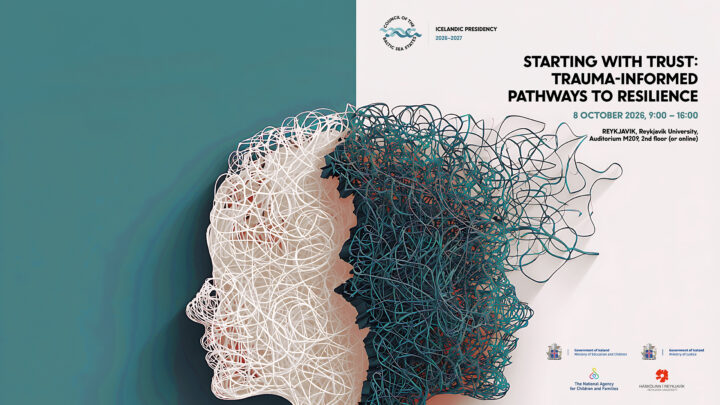
Register now: CBSS conference on trauma-informed pathways to resilience in child protection and human trafficking
On 8 October 2026, the Council of the Baltic Sea States (CBSS) will host the Starting with Trust: Trauma-Informed Pathways to Resilience conference at Reykjavik University. Organised…

Expert Group on Children at Risk meets online to address war trauma and psychosocial support
The CBSS Expert Group on Children at Risk held its final meeting under the Polish Presidency on 27 May 2026, bringing together practitioners to exchange evidence-based approaches…